

Healthcare organizations operate in a fast-paced environment where precision, coordination, and efficiency are essential. Hospitals and medical centers must ensure the right professionals are available at the right time to deliver high-quality patient care. Workforce scheduling in healthcare is complex, involving physicians, nurses, technicians, and administrative personnel working across multiple departments and shifts.
To address these challenges, healthcare providers increasingly rely on intelligent workforce management platforms. One notable example is smart square thedacare, a system designed to optimize staffing, streamline scheduling, and improve operational efficiency within healthcare facilities.
This comprehensive article explores the structure, purpose, benefits, and impact of smart square thedacare. It also explains how the platform works, why healthcare organizations rely on such technology, and how it contributes to better patient outcomes and workforce satisfaction.
Understanding Smart Square ThedaCare
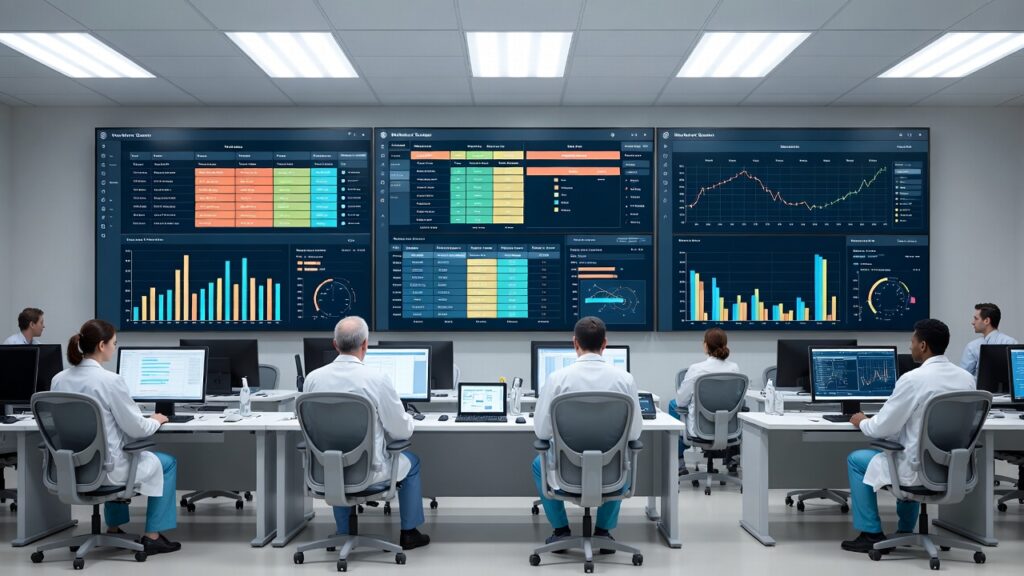
At its core, smart square thedacare is a digital workforce management platform used within healthcare systems to manage staffing schedules, optimize resources, and ensure operational efficiency. The system helps administrators balance patient demand with available staff by using advanced scheduling tools and real-time data insights.
Healthcare institutions face constant fluctuations in patient volume, unexpected staff absences, and regulatory requirements. Managing these factors manually often leads to inefficiencies and administrative burden. With smart square thedacare, scheduling processes become streamlined, automated, and data-driven.
The platform is specifically tailored to meet the unique operational demands of healthcare environments, where staff availability and patient care must align seamlessly.
The Role of Workforce Management in Healthcare
Workforce management is one of the most critical operational components in the healthcare sector. Unlike many other industries, hospitals must maintain adequate staffing levels around the clock.
Healthcare workforce management typically involves:
- Staff scheduling and shift planning
- Monitoring employee availability
- Managing overtime and labor costs
- Tracking staffing shortages
- Ensuring regulatory compliance
- Balancing patient care demands
Systems like smart square thedacare help organizations coordinate these complex tasks while maintaining efficiency and transparency.
Without proper workforce management tools, hospitals risk understaffing, staff burnout, scheduling conflicts, and decreased quality of care.
Biography Table of the Smart Square ThedaCare Platform
Although software platforms do not have traditional biographies, understanding their structure, purpose, and organizational background can provide clarity. The following table presents a concise overview of the smart square thedacare platform.
| Attribute | Details |
|---|---|
| Platform Name | smart square thedacare |
| Category | Healthcare Workforce Management System |
| Primary Function | Staff scheduling and workforce optimization |
| Industry | Healthcare Administration |
| Primary Users | Hospital administrators, nursing managers, healthcare staff |
| Key Purpose | Improve scheduling accuracy and staffing efficiency |
| Core Features | Shift scheduling, staffing analytics, workforce forecasting |
| Implementation Environment | Hospitals and healthcare networks |
| Operational Focus | Resource optimization and patient care support |
| Technology Approach | Data-driven scheduling and workforce analytics |
| Benefits | Reduced staffing conflicts, improved efficiency, better staff satisfaction |
This structured overview helps illustrate the operational role of smart square thedacare within healthcare systems.
Why Healthcare Systems Need Smart Scheduling Tools
Healthcare facilities face constant operational challenges that make workforce scheduling far more complex than in most industries.
Key factors contributing to scheduling complexity include:
24/7 Operations
Hospitals operate around the clock. Scheduling must account for night shifts, weekend shifts, emergency coverage, and holiday rotations.
Skill-Based Staffing
Different medical departments require staff with specialized training. For example, intensive care units require highly trained nurses and physicians.
Patient Volume Variability
Patient admissions fluctuate daily and seasonally. Scheduling must adapt quickly to meet these changes.
Compliance Requirements
Healthcare staffing must comply with regulations regarding shift duration, rest periods, and patient-to-staff ratios.
Solutions like smart square thedacare help organizations manage these complexities while maintaining safe staffing levels.
Core Features of Smart Square ThedaCare
The effectiveness of smart square thedacare comes from its robust feature set designed for healthcare workforce management.
Advanced Scheduling Tools
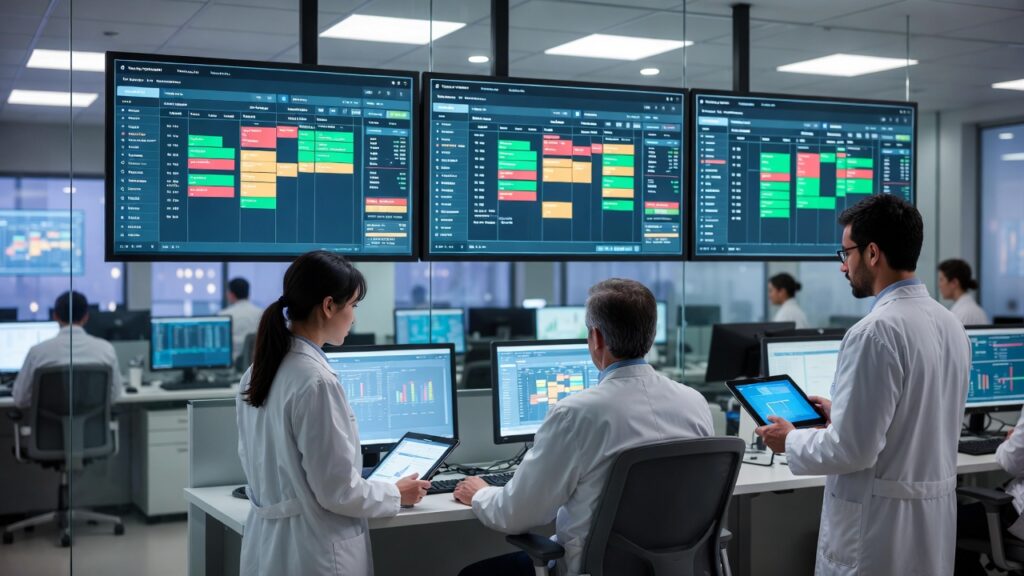
One of the primary features of smart square thedacare is its dynamic scheduling capability. Administrators can create schedules that account for staff availability, departmental requirements, and patient demand.
These tools reduce manual scheduling efforts and minimize conflicts.
Real-Time Workforce Visibility
Real-time dashboards allow administrators to monitor staffing levels instantly. If a department becomes understaffed, adjustments can be made quickly.
Automated Staffing Adjustments
Healthcare organizations frequently experience unexpected changes, such as staff absences or sudden patient surges. smart square thedacare helps managers adjust schedules efficiently.
Analytics and Workforce Insights
The platform provides valuable data insights, including:
- Staffing trends
- Labor cost analysis
- Overtime tracking
- Workforce utilization
These insights help administrators make informed operational decisions.
Benefits of Smart Square ThedaCare
The adoption of smart square thedacare offers numerous advantages for healthcare systems.
Improved Scheduling Efficiency
Manual scheduling processes often require hours of administrative work. Automated scheduling dramatically reduces this workload.
Better Staff Satisfaction
Transparent scheduling and fair shift distribution improve employee morale. Staff members can view schedules easily and manage their work commitments more effectively.
Reduced Labor Costs
Optimized staffing helps prevent excessive overtime and unnecessary labor expenses.
Enhanced Patient Care
Adequate staffing ensures patients receive timely attention and high-quality care.
Operational Transparency
Healthcare leaders gain a clearer understanding of workforce performance and staffing trends.
How Smart Square ThedaCare Improves Healthcare Operations
Technology plays an increasingly important role in healthcare management. Systems like smart square thedacare improve operations in several critical ways.
Data-Driven Decision Making
Instead of relying solely on intuition, administrators can analyze workforce data and make evidence-based decisions.
Efficient Resource Allocation
Staff resources can be distributed where they are most needed.
Faster Response to Staffing Gaps
When unexpected staff shortages occur, the system helps managers identify available replacements quickly.
Improved Communication
Centralized scheduling platforms ensure all staff members have access to updated schedules.
The Role of Digital Transformation in Healthcare Workforce Management
Healthcare institutions worldwide are undergoing digital transformation. Administrative systems that were once paper-based are now being replaced with digital platforms.
Workforce management is one area where digital innovation has produced significant improvements.
Platforms like smart square thedacare represent the evolution of healthcare scheduling from manual processes to intelligent automation.
Digital transformation in workforce management brings several advantages:
- Increased operational efficiency
- Greater scheduling accuracy
- Reduced administrative workload
- Improved employee experience
- Better patient outcomes
Challenges in Healthcare Scheduling
Even with modern systems, workforce scheduling in healthcare remains complex.
Some common challenges include:
Staff Shortages
Many healthcare systems face shortages of skilled professionals.
Unexpected Emergencies
Hospitals must remain prepared for sudden increases in patient volume.
Employee Burnout
Long hours and demanding schedules can contribute to burnout among healthcare workers.
Regulatory Compliance
Healthcare organizations must comply with strict labor and safety regulations.
Tools like smart square thedacare help address these challenges by providing flexible scheduling options and real-time workforce insights.
The Impact of Smart Square ThedaCare on Staff Experience
Healthcare professionals often work under high levels of pressure. Scheduling systems can significantly affect their job satisfaction and work-life balance.
With smart square thedacare, staff members benefit from:
- Clear and accessible schedules
- Reduced last-minute shift changes
- Fair distribution of work hours
- Better communication with management
When staff members feel supported by efficient scheduling systems, they are more likely to remain engaged and productive.
Improving Patient Care Through Workforce Optimization
Ultimately, the purpose of workforce management technology is to support better patient care.
When healthcare facilities use platforms like smart square thedacare, they can ensure that:
- Adequate staff members are available in every department
- Medical professionals are not overworked
- Patient needs are addressed promptly
- Care delivery remains consistent and reliable
These improvements contribute to safer healthcare environments and improved patient experiences.
Future Trends in Healthcare Workforce Management
The future of healthcare workforce management will likely involve even more advanced technology.
Emerging trends include:
Artificial Intelligence Scheduling
AI can analyze large datasets to predict staffing needs with high accuracy.
Predictive Analytics
Healthcare systems can anticipate patient demand and adjust staffing levels accordingly.
Mobile Workforce Platforms
Mobile applications allow healthcare workers to access schedules, request changes, and communicate with administrators easily.
Integrated Healthcare Systems
Workforce management tools will become more integrated with electronic health records and hospital information systems.
Systems like smart square thedacare are part of this ongoing technological evolution.
Best Practices for Effective Workforce Scheduling
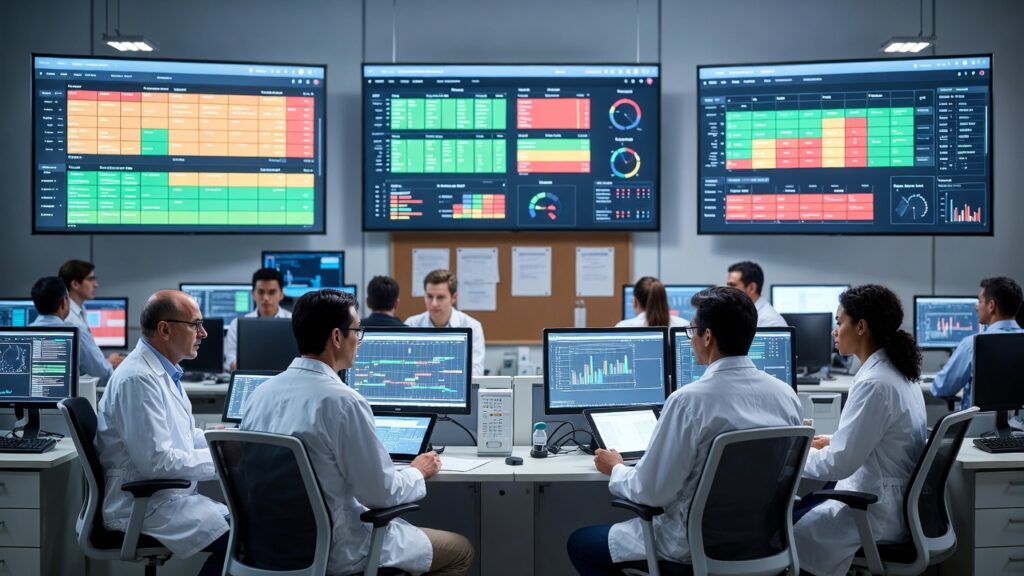
Healthcare organizations can maximize the benefits of workforce management platforms by following several best practices.
Maintain Accurate Staff Data
Up-to-date information about staff availability and skills improves scheduling accuracy.
Encourage Staff Participation
Allowing staff members to provide input on scheduling preferences increases satisfaction.
Monitor Workforce Metrics
Regular analysis of staffing metrics helps identify inefficiencies and improvement opportunities.
Invest in Training
Ensuring administrators understand how to use scheduling platforms effectively is essential for success.
Deduction
Efficient workforce management is essential for the smooth operation of healthcare systems. Hospitals must balance patient needs, staff availability, regulatory requirements, and financial constraints while maintaining high standards of care.
Platforms such as smart square thedacare provide powerful tools that simplify scheduling, optimize staffing resources, and improve operational transparency. By leveraging real-time data, automated scheduling features, and workforce analytics, healthcare organizations can make more informed decisions and respond quickly to changing demands.
The impact extends beyond administrative efficiency. When healthcare staff are scheduled effectively, patient care improves, staff satisfaction increases, and healthcare systems operate more smoothly.
As healthcare continues to evolve through digital innovation, intelligent workforce management platforms will play an increasingly vital role in shaping the future of hospital operations and patient care. Systems like smart square thedacare represent a key step toward a more efficient, responsive, and sustainable healthcare environment.