
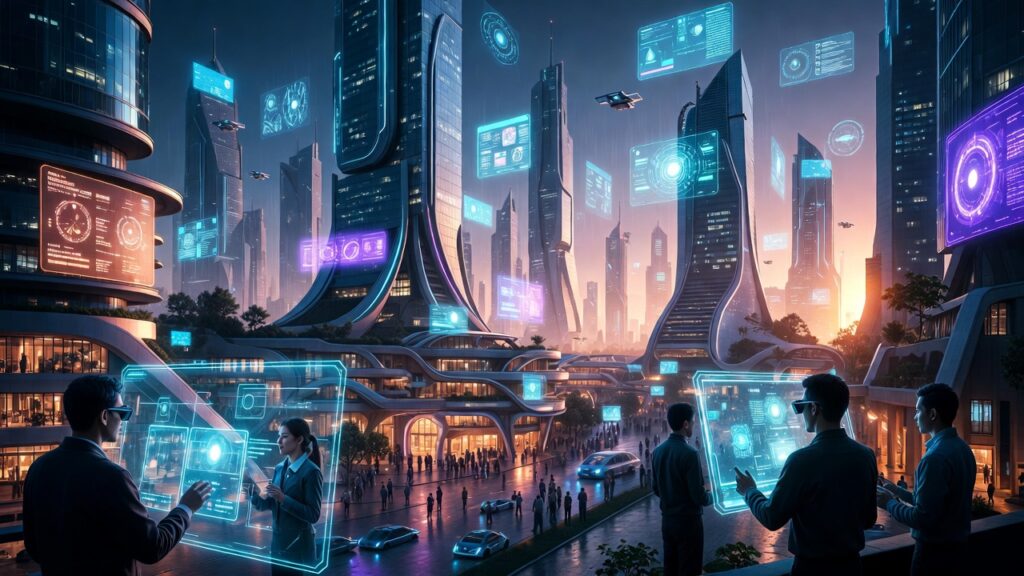
Introduction to Bold Innovation and the Rise of Technology
Few forces have shaped human progress as profoundly as technology. From the earliest stone tools to the sophisticated digital ecosystems that power modern economies, technology has consistently expanded the boundaries of human capability. It influences how societies communicate, produce goods, travel, learn, and even think. Every major turning point in civilization—from agriculture to industrialization to the digital revolution—has been marked by transformative developments in technology.
In the modern era, technology is not merely a collection of tools; it is a comprehensive framework that shapes industries, cultures, and global connectivity. The rapid pace of innovation has created opportunities that previous generations could scarcely imagine. Artificial intelligence, biotechnology, renewable energy systems, and advanced computing architectures represent only a fraction of the remarkable advancements that continue to redefine the world.
Understanding technology requires examining its historical evolution, its current applications, and its future potential. By exploring these dimensions, we gain insight into how technology serves as the foundation of progress while simultaneously presenting new challenges that societies must address responsibly.
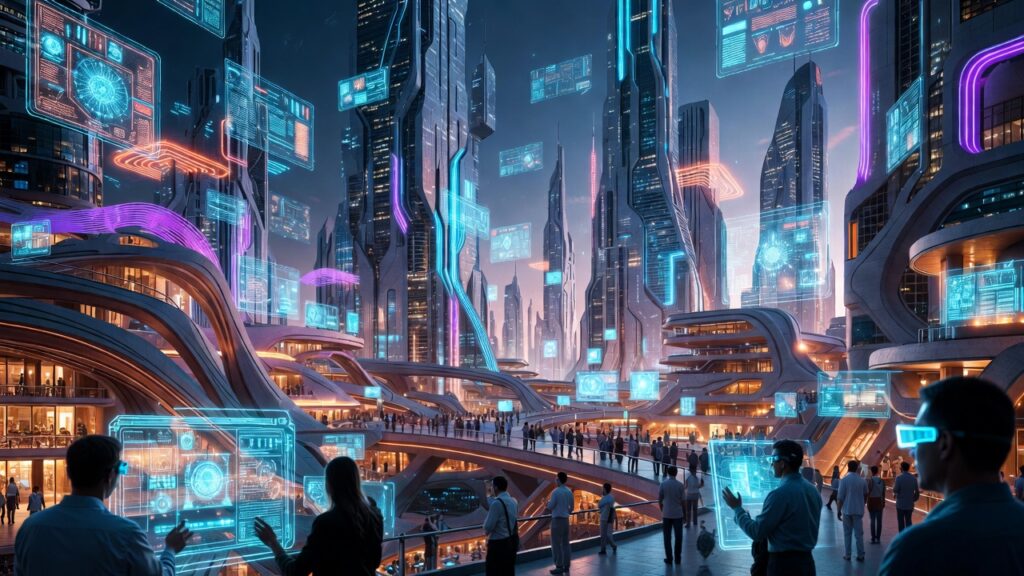
Historical Evolution of Technology
The story of technology begins with humanity’s earliest attempts to manipulate the environment for survival. Primitive tools, such as sharpened stones and wooden implements, allowed early humans to hunt, build shelters, and process food more efficiently. These innovations marked the birth of technology as a fundamental survival strategy.
The Agricultural Revolution
Approximately 10,000 years ago, the agricultural revolution introduced farming techniques, irrigation systems, and domestication of animals. These advancements in technology enabled stable food production, allowing human populations to grow and settlements to develop into early civilizations.
The Industrial Revolution
Centuries later, the industrial revolution dramatically accelerated the development of technology. The invention of steam engines, mechanized manufacturing, and rail transportation transformed economies and societies. Factories replaced small workshops, productivity soared, and cities expanded rapidly. This era established the foundation for modern industrial economies driven by technological innovation.
The Digital Revolution
The late twentieth century witnessed the emergence of the digital revolution, arguably the most transformative period in the history of technology. The development of computers, the internet, and mobile communication networks created a globally interconnected world. Information could now travel instantly across continents, and digital technology became the backbone of modern business, education, and governance.
Core Fields of Technology
Today, technology encompasses a vast array of disciplines that influence every aspect of life. Several major fields illustrate the breadth and depth of technological progress.
Information Technology
Information technology focuses on the storage, processing, and transmission of digital data. Computer systems, software applications, cloud computing platforms, and cybersecurity frameworks form the foundation of this field. Businesses rely heavily on information technology to manage operations, analyze data, and maintain global communication networks.
Communication Technology
Communication technology has revolutionized how people interact. Smartphones, satellite systems, and high-speed internet infrastructure enable instant connectivity across the globe. Social networks, video conferencing tools, and digital collaboration platforms demonstrate how communication technology fosters global interaction and knowledge exchange.
Medical Technology
Medical technology has transformed healthcare through advanced diagnostic equipment, robotic surgical systems, and innovative treatments. Imaging devices such as MRI scanners and CT machines allow physicians to diagnose diseases with remarkable accuracy. Biotechnology research continues to expand the possibilities of personalized medicine and genetic therapies.
Energy Technology
Energy technology plays a vital role in powering modern society. Innovations in renewable energy, including solar panels, wind turbines, and advanced battery storage systems, are reshaping global energy production. These technological solutions aim to reduce environmental impact while meeting the growing demand for electricity.
Technology and the Global Economy
Modern economies are deeply interconnected with technology. Businesses rely on advanced systems to streamline operations, analyze market trends, and improve productivity. Digital platforms enable companies to reach international markets with unprecedented ease.
Automation and Productivity
Automation represents one of the most significant economic impacts of technology. Industrial robots, automated assembly lines, and intelligent software systems increase efficiency while reducing human error. As a result, industries ranging from manufacturing to logistics benefit from enhanced productivity.
Digital Commerce
Electronic commerce is another major outcome of technological innovation. Online marketplaces, digital payment systems, and supply chain management platforms illustrate how technology has transformed traditional retail models. Consumers now expect fast, convenient, and secure online transactions.
Innovation-Driven Entrepreneurship
Entrepreneurs often build entire companies around new technological solutions. Startups frequently emerge from innovative ideas in software development, biotechnology, or engineering. This entrepreneurial ecosystem highlights how technology drives economic growth and job creation worldwide.
Technology in Education
Education has experienced a profound transformation through the integration of technology. Digital learning platforms, virtual classrooms, and interactive multimedia resources allow students to access knowledge beyond traditional classroom boundaries.
Online Learning
Online education platforms demonstrate the power of technology to democratize learning. Students can enroll in courses from institutions around the world without relocating. Video lectures, digital assignments, and collaborative discussion forums provide flexible learning environments.
Interactive Learning Tools
Educational technology also includes simulation software, augmented reality environments, and adaptive learning systems. These tools enhance comprehension by allowing students to visualize complex concepts and interact with dynamic educational content.
Technology and Society
The relationship between society and technology is complex and continuously evolving. While technological innovation creates opportunities for advancement, it also introduces ethical, cultural, and social considerations.
Social Connectivity
Modern communication technology enables individuals to maintain relationships across vast distances. Families, friends, and colleagues can communicate instantly through messaging platforms and video calls. These innovations strengthen social connections in an increasingly globalized world.
Digital Culture
Digital technology has also influenced culture, entertainment, and media consumption. Streaming services, digital publishing platforms, and interactive gaming environments demonstrate how cultural experiences are shaped by technological infrastructure.
Ethical Considerations
Despite its many benefits, technology raises important ethical questions. Issues related to privacy, data security, and digital surveillance require careful regulation and responsible innovation. Societies must balance technological advancement with the protection of individual rights and freedoms.
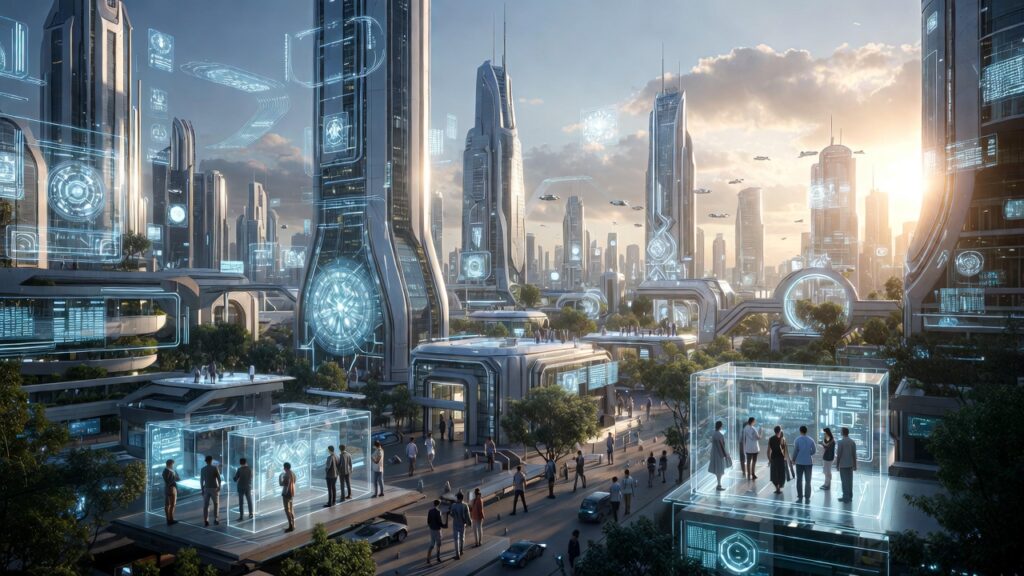
Biography Table: Influential Figures in the Development of Technology
| Name | Field | Major Contribution | Impact on Technology |
|---|---|---|---|
| Charles Babbage | Computing | Designed the Analytical Engine | Considered the foundation of modern computing technology |
| Nikola Tesla | Electrical Engineering | Developed alternating current systems | Revolutionized electrical power technology |
| Alan Turing | Computer Science | Concept of algorithmic computation | Pioneered theoretical foundations of digital technology |
| Grace Hopper | Programming | Developed early programming languages | Advanced software technology and computer programming |
| Tim Berners-Lee | Internet | Invented the World Wide Web | Transformed global information technology |
These individuals represent only a small portion of the pioneers who shaped the evolution of technology, yet their contributions illustrate how innovation often begins with visionary thinking and scientific curiosity.
Technology and Environmental Sustainability
Environmental challenges have encouraged the development of sustainable technology solutions aimed at reducing ecological impact.
Green Technology
Green technology focuses on environmentally friendly innovations that minimize pollution and conserve natural resources. Solar energy systems, electric vehicles, and smart energy grids exemplify this approach.
Smart Infrastructure
Urban planners increasingly integrate technology into city infrastructure to improve sustainability. Smart traffic management systems, energy-efficient buildings, and intelligent waste management platforms help reduce environmental strain while improving urban living conditions.
Emerging Trends in Technology
The future of technology promises extraordinary innovations that may reshape civilization in profound ways.
Artificial Intelligence
Artificial intelligence represents a transformative frontier in technology. Machine learning systems can analyze vast datasets, recognize patterns, and assist with complex decision-making processes across industries.
Quantum Computing
Quantum computing is another emerging field of technology that has the potential to revolutionize computational capabilities. These systems could solve complex problems in chemistry, cryptography, and climate modeling far faster than traditional computers.
Biotechnology
Advances in biotechnology demonstrate how technology intersects with biology to improve health, agriculture, and environmental management. Genetic engineering and bioinformatics are unlocking new possibilities for disease treatment and food production.
Challenges Facing Modern Technology
Despite its remarkable progress, technology faces several challenges that require careful consideration.
Cybersecurity Risks
As digital infrastructure expands, cybersecurity threats become increasingly sophisticated. Protecting sensitive information and maintaining secure networks is essential for sustaining trust in modern technology systems.
Digital Inequality
Access to technology remains uneven across regions and socioeconomic groups. Bridging the digital divide is crucial to ensure that technological benefits reach all members of society.
Responsible Innovation
The rapid pace of innovation demands thoughtful governance and ethical responsibility. Policymakers, scientists, and industry leaders must collaborate to ensure that technology serves humanity’s long-term interests.
The Future of Technology
Looking ahead, the trajectory of technology suggests a world characterized by deeper integration between digital systems and everyday life. Intelligent infrastructure, autonomous transportation, and personalized healthcare solutions may soon become standard components of modern society.
However, the future of technology will depend not only on scientific breakthroughs but also on the collective choices societies make about how innovation is developed and applied. Responsible governance, ethical frameworks, and inclusive access will play essential roles in shaping a technological future that benefits all.
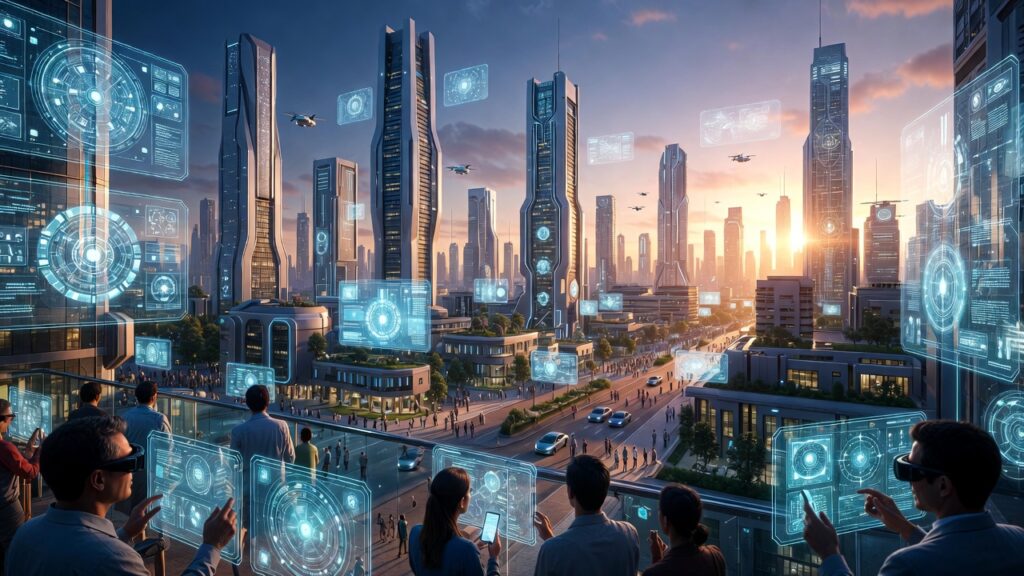
Deduction
The story of technology is ultimately the story of human ingenuity. From simple tools crafted thousands of years ago to sophisticated digital ecosystems that connect billions of people, technology has continually expanded the possibilities of civilization. It powers economies, transforms education, advances healthcare, and connects cultures across the globe.
Yet technology is more than a tool; it is a reflection of human ambition and creativity. Its future will be shaped by the balance between innovation and responsibility, progress and sustainability. As society continues to evolve, technology will remain a central force guiding humanity toward new horizons of discovery and achievement.
In understanding the past, present, and future of technology, we gain a deeper appreciation of its profound influence on civilization and its potential to shape a more connected, informed, and innovative world.