Architecture has always been more than the construction of buildings. It is a reflection of human values, cultural identity, and the evolving relationship between people and their environment. Among the many emerging design philosophies that seek to redefine how we build and inhabit spaces, Tubehalote stands out as a distinctive concept that unites tradition, sustainability, and innovative structural thinking.
Every architectural movement carries a story, and Tubehalote tells one of balance, sustainability, and cultural depth. Readers often ask: what is basic architectural style Tubehalote? The answer lies in its ability to merge tradition with eco-conscious innovation. Instead of being just another style, it transforms into a philosophy where design protects the environment while enriching human life.
The concept of Tubehalote has increasingly drawn attention from architects, urban planners, environmentalists, and design enthusiasts. Its approach emphasizes harmony between human-made structures and natural surroundings while maintaining aesthetic elegance and cultural authenticity. In a time when cities struggle with environmental degradation, energy consumption, and loss of cultural identity, Tubehalote offers a meaningful path forward.
This comprehensive article explores the origins, principles, characteristics, cultural relevance, and future potential of Tubehalote, presenting a detailed understanding of why this architectural philosophy is gaining recognition in modern design discussions.
Biography of Tubehalote
Although Tubehalote is a design philosophy rather than a person, its development and conceptual framework can be presented in a structured biographical form to understand its origins, purpose, and defining attributes.
| Attribute | Details |
|---|---|
| Concept Name | Tubehalote |
| Category | Architectural Philosophy / Sustainable Design Approach |
| Core Focus | Environmental harmony, cultural integration, and human-centered design |
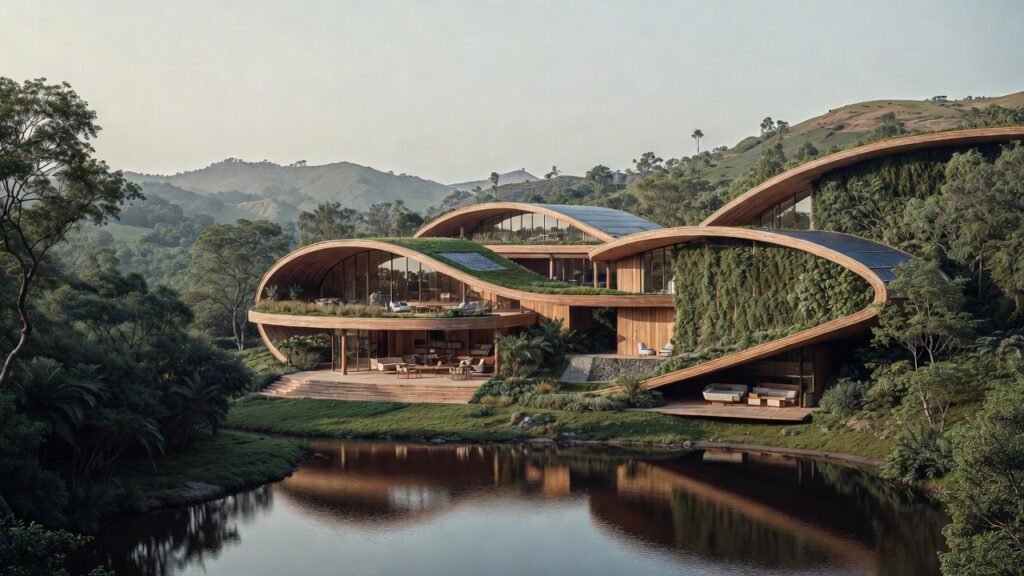
| Architectural Style | Organic structures with tubular or flowing spatial arrangements |
| Key Principles | Sustainability, cultural preservation, energy efficiency, ecological respect |
| Design Materials | Natural stone, timber, glass, recycled materials, and earth-friendly composites |
| Environmental Approach | Passive energy systems, natural ventilation, green roofing |
| Cultural Inspiration | Traditional regional architecture and community lifestyles |
| Spatial Philosophy | Open, fluid spaces that connect indoor and outdoor environments |
| Global Relevance | Sustainable urban development and ecological architecture |
| Architectural Goal | Balance between human comfort, aesthetics, and environmental responsibility |
This table provides a conceptual “biography” that captures the identity and guiding framework of Tubehalote as a modern architectural philosophy.
Origins and Conceptual Development of Tubehalote
The emergence of Tubehalote reflects a broader shift within architecture toward ecological awareness and cultural sensitivity. Over the past century, architecture has often prioritized efficiency, mass production, and urban density. While these priorities fueled rapid development, they also produced environmental challenges and the erosion of cultural architectural identities.
Tubehalote arose as a response to these challenges. Instead of rejecting modern technology, the philosophy integrates innovation with traditional wisdom. It recognizes that historical architecture often evolved in harmony with local climate, materials, and cultural needs. By revisiting these ideas and enhancing them with contemporary design methods, Tubehalote seeks to create buildings that are both modern and deeply rooted in their surroundings.
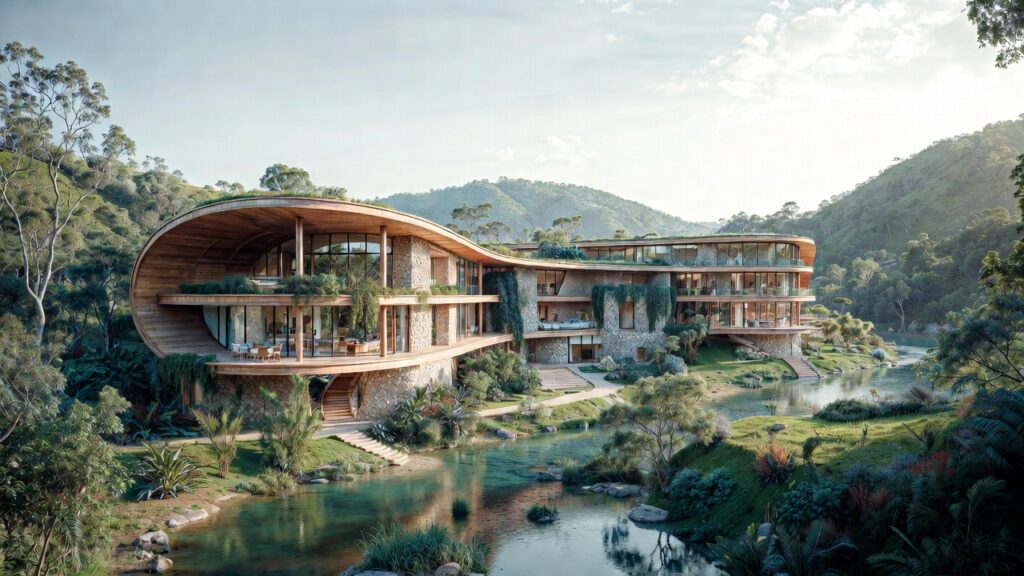
The name itself evokes the concept of flowing structures and interconnected spaces. Tubular forms, curved lines, and organic spatial arrangements frequently appear in Tubehalote architecture, creating buildings that feel less mechanical and more natural.
The goal is not merely visual appeal but also environmental efficiency. By shaping structures to optimize airflow, daylight, and thermal balance, Tubehalote architecture reduces reliance on artificial energy systems while enhancing the comfort of occupants.
Core Design Principles of Tubehalote
Understanding Tubehalote requires examining the foundational principles that guide its design philosophy. These principles distinguish it from other architectural movements and define its practical applications.
Environmental Sustainability
The most prominent principle of Tubehalote is environmental responsibility. Buildings are designed to minimize ecological impact by using renewable materials, reducing waste, and maximizing energy efficiency.
Natural lighting, passive cooling systems, and solar integration are commonly incorporated into Tubehalote structures. The objective is to create buildings that coexist with nature rather than compete against it.
Cultural Integration
Architecture often reflects the identity of a community. Tubehalote respects cultural traditions by incorporating local design elements, construction techniques, and spatial concepts.
Instead of imposing a uniform global style, Tubehalote adapts to regional cultures, ensuring that buildings remain authentic to the people who inhabit them.
Human-Centered Design
Comfort, well-being, and psychological harmony are central to Tubehalote architecture. Spaces are designed to promote natural light, airflow, and visual connection with nature.
These factors contribute to healthier living and working environments, reinforcing the philosophy that architecture should enhance human life.
Fluid Structural Geometry
One distinctive feature of Tubehalote is the use of fluid forms. Curved structures and tubular elements create a sense of movement and continuity within architectural spaces.
These shapes often improve structural strength while also enhancing airflow and spatial flexibility.
Key Architectural Characteristics of Tubehalote
The visual and structural identity of Tubehalote architecture emerges from several recognizable characteristics.
Organic Form and Flow
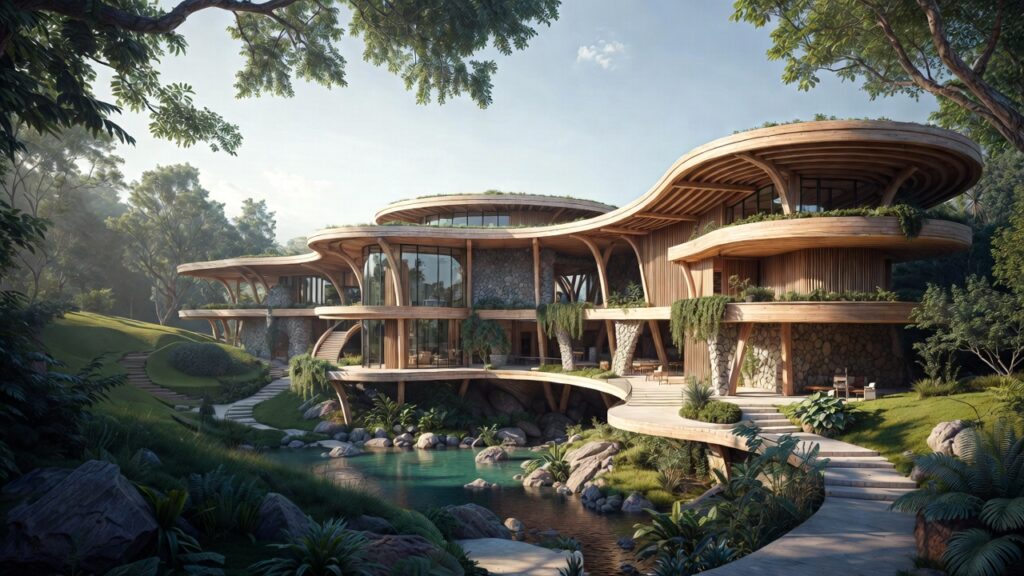
Unlike rigid geometric designs, Tubehalote buildings often display organic shapes that resemble natural formations. Curves, arcs, and cylindrical structures create a dynamic visual language.
This organic form not only enhances aesthetics but also contributes to environmental efficiency.
Integration with Landscape
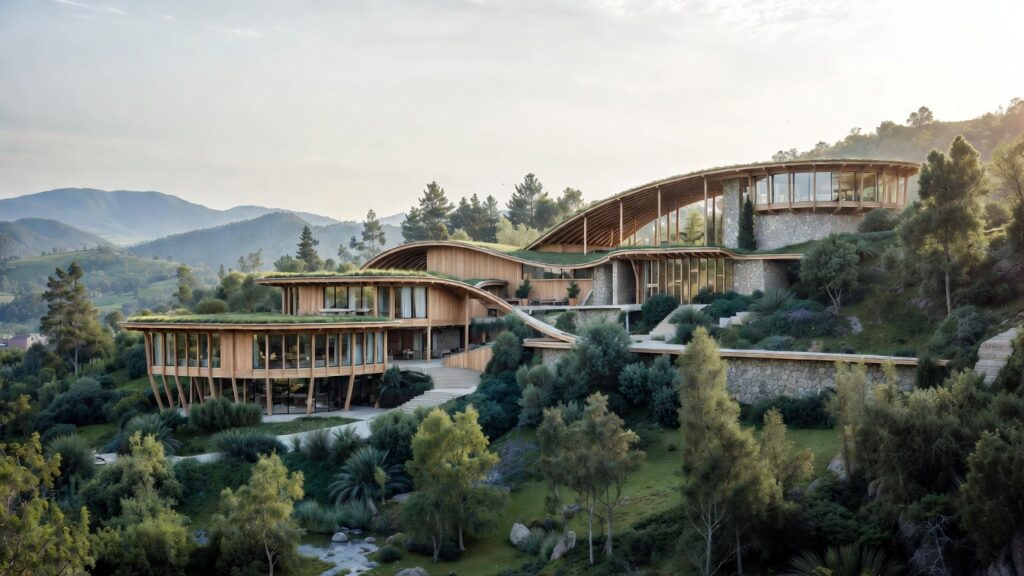
A defining aspect of Tubehalote is its seamless integration with surrounding landscapes. Buildings are designed to complement natural terrain rather than dominate it.
Green roofs, terraces, and gardens are frequently incorporated to blur the boundary between architecture and nature.
Natural Material Usage
Materials used in Tubehalote architecture typically include:
- Wood
- Stone
- Clay
- Glass
- Recycled composites
These materials not only reduce environmental impact but also contribute to a warm and timeless aesthetic.
Open Spatial Layouts
Tubehalote structures emphasize openness and spatial connectivity. Interiors often feature flowing transitions between rooms, creating flexible living environments.
Large windows and transparent walls connect interior spaces with outdoor scenery.
Environmental Benefits of Tubehalote Architecture
The growing interest in Tubehalote is closely tied to its environmental advantages.
Energy Efficiency
By maximizing natural light and ventilation, Tubehalote buildings significantly reduce energy consumption.
Strategically placed openings and curved structural forms enhance airflow, minimizing the need for mechanical cooling systems.
Reduced Carbon Footprint
The use of locally sourced materials and environmentally responsible construction methods helps reduce the carbon footprint of Tubehalote projects.
Biodiversity Support
Green roofs, vertical gardens, and natural landscaping allow Tubehalote structures to support local ecosystems.
This integration encourages biodiversity even in urban environments.
Cultural and Social Impact of Tubehalote
Architecture influences not only environments but also social behavior. Tubehalote plays a meaningful role in strengthening community identity.
Preservation of Heritage
By drawing inspiration from traditional design methods, Tubehalote preserves cultural heritage while adapting it for modern lifestyles.
Community-Centered Spaces
Many Tubehalote designs incorporate communal spaces such as courtyards, gardens, and shared terraces.
These spaces encourage interaction and foster stronger social connections.
Psychological Well-Being
Research consistently shows that exposure to natural light and greenery improves mental health. The design philosophy of Tubehalote intentionally integrates these elements into everyday living spaces.
Applications of Tubehalote in Modern Architecture
The principles of Tubehalote can be applied to a wide range of architectural contexts.
Residential Design
In homes, Tubehalote creates living spaces that feel open, natural, and comfortable.
Features may include:
- Curved interior walls
- Natural ventilation corridors
- Green rooftops
- Indoor gardens
Urban Development
Cities seeking sustainable growth can incorporate Tubehalote principles into residential districts, office complexes, and public buildings.
Educational and Cultural Buildings
Museums, libraries, and educational campuses benefit from the open, collaborative environments that Tubehalote encourages.
Tubehalote and the Future of Sustainable Architecture
The global architecture industry is increasingly focused on sustainability. Climate change, urban overcrowding, and resource scarcity demand new design strategies.
Tubehalote offers a compelling vision for the future. Its integration of ecological awareness, cultural respect, and innovative structural design aligns with emerging architectural priorities.
Architects who adopt Tubehalote principles are not simply designing buildings. They are shaping environments that promote balance between humanity and nature.
As technology advances, the possibilities for Tubehalote architecture will expand. Smart materials, renewable energy systems, and digital design tools can further enhance the effectiveness of this philosophy.
Challenges and Criticisms
Like any architectural movement, Tubehalote faces certain challenges.
Construction Complexity
Curved and organic structures can be more difficult to construct than traditional rectangular designs.
This complexity may increase initial construction costs.
Adaptation in Dense Cities
Urban areas with limited space may struggle to implement the full landscape integration typical of Tubehalote architecture.
However, innovative solutions such as vertical gardens and rooftop ecosystems help address this issue.
Need for Skilled Designers
Successful implementation of Tubehalote requires architects who understand both sustainability principles and advanced structural design.
As awareness grows, educational programs and design training can help meet this demand.
Why Tubehalote Matters in Contemporary Architecture
The significance of Tubehalote lies in its holistic approach to design. Instead of focusing solely on aesthetics or efficiency, it addresses environmental, cultural, and human factors simultaneously.
This balanced perspective reflects a broader shift in architectural thinking. Modern architecture increasingly recognizes that buildings must contribute positively to both society and the planet.
By promoting sustainability, cultural authenticity, and human well-being, Tubehalote represents an architectural philosophy that resonates with contemporary global values.
Deduction
Architecture is a powerful expression of how societies interact with their environment. The philosophy of Tubehalote embodies a thoughtful response to the challenges of modern development.
Through its emphasis on sustainability, cultural integration, and human-centered design, Tubehalote transforms architecture from mere construction into a meaningful relationship between people, buildings, and nature.
Rather than treating environmental responsibility as an afterthought, Tubehalote places it at the very core of design. The result is architecture that feels alive, connected, and respectful of the world it inhabits.
As cities continue to evolve and environmental concerns become increasingly urgent, the principles of Tubehalote offer valuable guidance for architects and planners seeking a more harmonious future.
In the decades ahead, the influence of Tubehalote may extend far beyond individual buildings, shaping entire communities that reflect the timeless values of balance, sustainability, and cultural depth.