
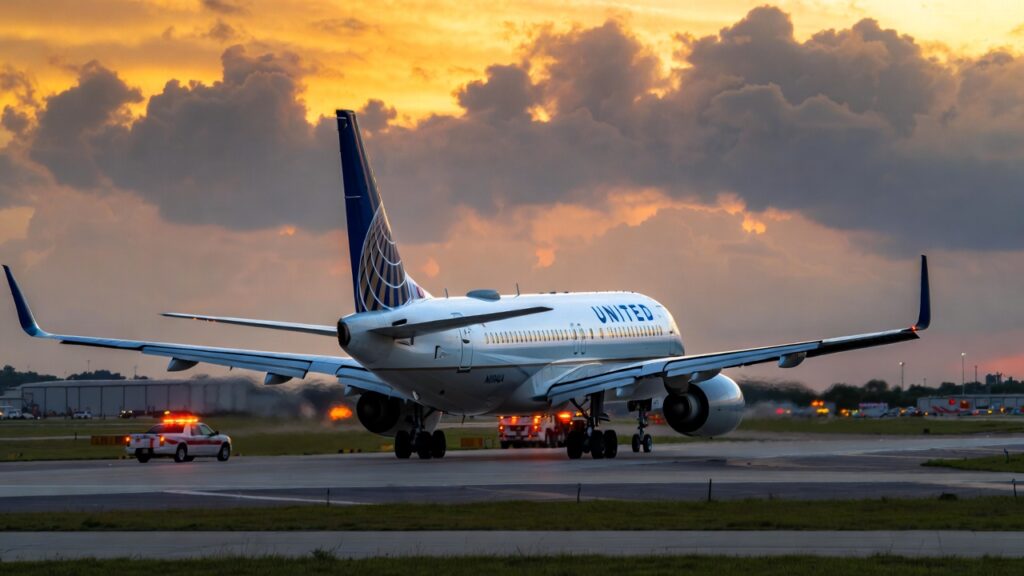
Commercial aviation is widely regarded as one of the safest modes of transportation in the modern world. Behind every successful flight is a vast network of trained professionals, advanced technology, and strict safety procedures designed to protect passengers and crew. Occasionally, however, unexpected situations arise that require immediate operational decisions. One such event that has captured public attention is the United airlines flight ua770 emergency diversion.
While emergency diversions can sound alarming to the general public, they are often precautionary actions taken to ensure safety. The aviation industry has developed highly structured protocols for such situations, allowing aircraft to safely redirect to alternative airports whenever circumstances demand it.
This article explores the United airlines flight ua770 emergency diversion in depth—examining the flight route, operational background, possible causes of diversions, aviation safety procedures, airline response strategies, and the broader implications for airline operations.
Overview of United Airlines Flight UA770
United Airlines operates a vast network of domestic and international routes, connecting major cities across the United States and around the world. Flight UA770 is typically assigned to a transcontinental route linking the northeastern United States with the West Coast.
The flight generally operates between Newark Liberty International Airport in New Jersey and San Diego International Airport in California. This route crosses a large portion of the continental United States and typically takes approximately six hours under normal conditions.
Because flight numbers are reused daily, any operational event associated with a particular number does not necessarily indicate a recurring problem. Instead, it represents a specific instance in which that particular scheduled service encountered an operational situation requiring attention.
The United airlines flight ua770 emergency diversion refers to a situation in which the aircraft altered its originally planned route and landed at an alternate airport due to safety or operational considerations.
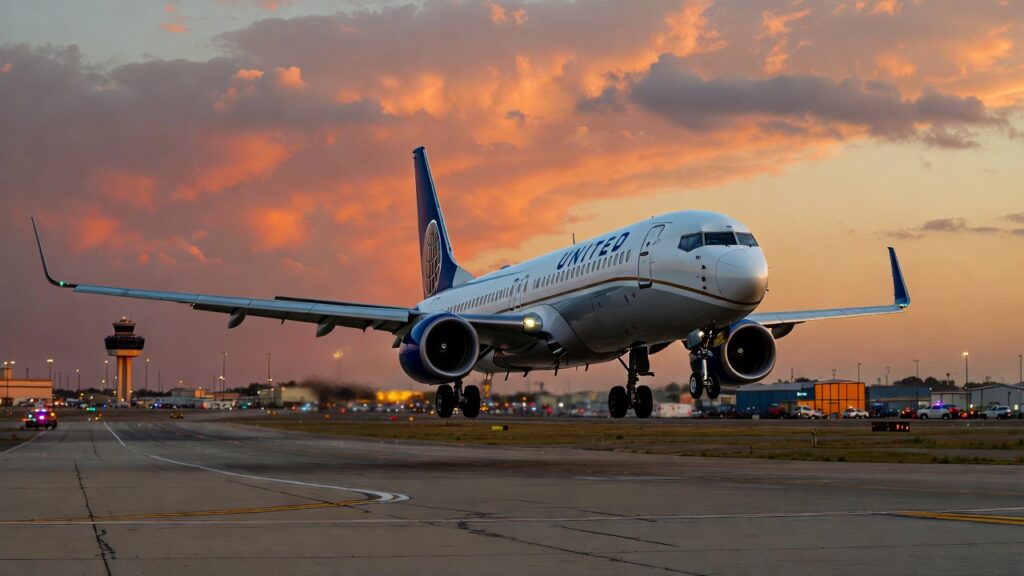
Flight Information Biography Table
| Category | Details |
|---|---|
| Flight Name | United Airlines Flight UA770 |
| Airline Operator | United Airlines |
| Typical Route | Newark Liberty International Airport (EWR) to San Diego International Airport (SAN) |
| Flight Type | Domestic Transcontinental Passenger Service |
| Average Flight Duration | Approximately 6 hours |
| Aircraft Type | Typically Boeing 737 or Airbus A320 family aircraft |
| Diversion Type | Emergency or precautionary diversion |
| Possible Diversion Airports | Chicago O’Hare (ORD), Denver International Airport (DEN), or other suitable hubs |
| Common Diversion Causes | Medical emergency, technical alert, disruptive passenger, weather conditions |
| Aviation Classification | Precautionary operational response |
| Safety Outcome | Standard safety protocols followed |
| Industry Context | Routine safety measure within commercial aviation |
Understanding the Concept of Emergency Diversions
The term “emergency diversion” may initially appear dramatic, but in aviation terminology it refers to a broad category of precautionary actions. Pilots are trained to prioritize safety above all other considerations. When any situation arises that could potentially affect passenger well-being or aircraft operations, diverting to a nearby airport is often the safest option.
The United airlines flight ua770 emergency diversion falls into this category of proactive safety decisions.
Diversions can occur for several reasons:
- Passenger medical emergencies
- Mechanical or technical alerts
- Weather complications
- Security concerns
- Operational logistics
- Air traffic control instructions
Importantly, most diversions do not involve life-threatening circumstances. Instead, they represent an abundance of caution by the flight crew and airline operations teams.
Typical Route and Operational Context
The Newark-to-San Diego route is one of the longer domestic flights within the United States. Covering thousands of miles across multiple states, the aircraft travels through varied weather systems and busy air traffic corridors.
Flights on this route often pass over or near major aviation hubs such as:
- Chicago
- Denver
- Phoenix
- Las Vegas
These cities host large international airports capable of handling unexpected diversions. When the United airlines flight ua770 emergency diversion occurred, aviation experts noted that mid-route hubs provide ideal locations for precautionary landings because they offer extensive maintenance facilities, medical support, and ground handling services.
Possible Causes Behind the United Airlines Flight UA770 Emergency Diversion
While each diversion has unique circumstances, several common factors frequently lead to such decisions.
1. Passenger Medical Emergencies
One of the most frequent causes of emergency diversions is a medical situation involving a passenger or crew member. Symptoms such as chest pain, severe allergic reactions, or breathing difficulties can prompt the flight crew to seek the nearest airport with appropriate medical support.
Airlines train cabin crew extensively in first aid and emergency response. However, when medical treatment requires hospital facilities, diversion becomes the safest solution.
In many cases, the United airlines flight ua770 emergency diversion may have been triggered by a situation requiring immediate medical attention.
2. Technical Alerts or Mechanical Concerns
Modern aircraft are equipped with advanced monitoring systems that track hundreds of performance indicators. If sensors detect irregularities—such as abnormal engine readings or system alerts—the cockpit displays warnings to the pilots.
These alerts do not necessarily indicate severe mechanical problems. Often they are minor issues that simply require inspection on the ground.
Pilots are trained to interpret these alerts carefully. When uncertainty exists, they may initiate the United airlines flight ua770 emergency diversion to ensure that engineers can examine the aircraft before continuing the journey.
3. Weather Conditions
Weather remains one of the most unpredictable elements in aviation. Thunderstorms, turbulence, strong crosswinds, or unexpected atmospheric conditions may force pilots to alter their flight path.
If conditions near the destination airport become unsafe, diversion to an alternate airport may become necessary.
Although modern forecasting technology has significantly improved weather prediction, sudden changes can still occur during long cross-country flights.
4. Security or Passenger Disruptions
Occasionally, diversions occur due to disruptive passenger behavior or security concerns. Airline crews are trained to manage such situations calmly and professionally, but in extreme cases the safest action is to land at the nearest suitable airport.
While such scenarios are relatively rare, they remain part of aviation contingency planning.
Pilot Decision-Making During Diversions
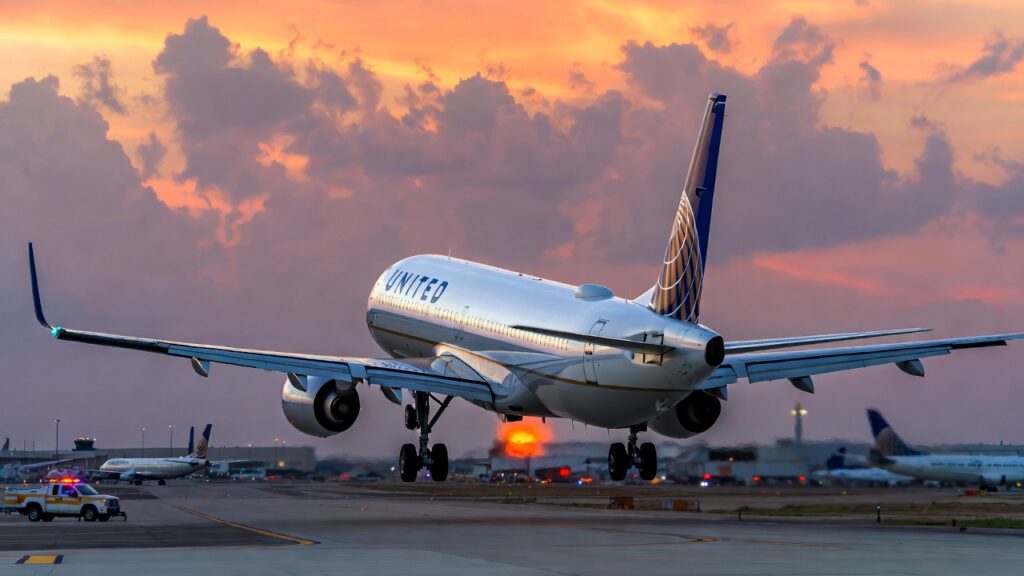
When an unexpected situation arises, pilots follow structured decision-making procedures. The cockpit crew coordinates closely with air traffic control and the airline’s operational control center.
The process usually involves several key steps:
- Identifying the issue
- Assessing potential risks
- Consulting operational guidance
- Selecting the safest alternate airport
- Communicating with passengers and crew
The United airlines flight ua770 emergency diversion would have followed this standardized aviation process.
Professional airline pilots undergo rigorous training to handle emergency scenarios. Simulators replicate various technical failures and operational challenges, allowing pilots to practice making rapid yet informed decisions.
Role of Airline Operations Centers
Airlines maintain sophisticated operations centers that monitor flights around the world in real time. These centers support pilots by providing updated weather data, maintenance advice, and logistical guidance.
When a diversion becomes necessary, operations teams coordinate with ground services, airport authorities, and emergency responders.
During the United airlines flight ua770 emergency diversion, the airline’s operational staff likely assisted the flight crew by identifying the most appropriate diversion airport and preparing for the aircraft’s arrival.
Aircraft Technology and Safety Systems
Modern commercial aircraft are designed with multiple layers of redundancy and safety features. Critical systems—including navigation, communications, and flight control—have backup components that ensure continued operation even if one system fails.
Because of these redundancies, diversions are often precautionary rather than urgent.
For example:
- Engines undergo continuous performance monitoring
- Electrical systems include multiple independent circuits
- Navigation systems rely on several positioning technologies
- Flight computers provide real-time diagnostic alerts
These technological safeguards make the United airlines flight ua770 emergency diversion a controlled and safe response rather than a sign of imminent danger.
Passenger Experience During an Emergency Diversion
For passengers, a diversion can be surprising and sometimes stressful. Airline crews strive to keep travelers informed and reassured throughout the process.
Typically, the captain will make an announcement explaining the situation in clear and calm terms. Cabin crew members assist passengers, answer questions, and ensure that safety procedures are followed.
After landing, airline ground teams coordinate rebooking arrangements, aircraft inspections, and passenger assistance.
Despite temporary inconvenience, diversions ultimately serve the best interests of passenger safety.
Industry Perspective on Diversions
Within the aviation industry, diversions are considered routine operational tools rather than extraordinary events. Thousands of flights operate every day, and a small percentage inevitably require adjustments due to unforeseen circumstances.
The United airlines flight ua770 emergency diversion represents the effectiveness of aviation safety culture rather than a failure of the system.
Airlines, regulators, and aircraft manufacturers continuously analyze diversion events to improve procedures, technology, and training programs.
Importance of Safety Culture in Aviation
Safety is the central principle guiding modern aviation. Airlines invest heavily in training, maintenance, and operational oversight to minimize risk.
Key elements of aviation safety culture include:
- Strict regulatory oversight
- Regular aircraft maintenance inspections
- Advanced pilot training programs
- Continuous safety reporting systems
- Data-driven operational improvements
Events like the United airlines flight ua770 emergency diversion demonstrate how these safety frameworks function in real-world scenarios.
How Diversions Are Managed After Landing
Once a diverted aircraft reaches the alternate airport, several procedures take place:
- Technical Inspection – Engineers examine the aircraft systems.
- Medical Response – If a medical situation prompted the diversion, paramedics meet the aircraft upon arrival.
- Operational Review – Airline staff evaluate the circumstances that led to the diversion.
- Passenger Reaccommodation – Travelers are assisted with continuing their journey.
These steps ensure that both passengers and aircraft receive the necessary support before the flight resumes.
Impact on Airline Scheduling
Diversions can disrupt airline schedules temporarily. Aircraft availability, crew duty limits, and passenger connections must all be considered.
However, major airlines maintain extensive contingency plans. Spare aircraft, backup crews, and flexible scheduling systems allow operations to recover quickly.
In the case of the United airlines flight ua770 emergency diversion, airline planners would have worked to minimize delays and maintain network stability.
Public Perception vs Aviation Reality
News headlines often emphasize the dramatic aspects of diversions, but aviation professionals view them as part of normal operational flexibility.
In reality, the ability to divert safely reflects the strength of aviation infrastructure. Airports across the country are equipped to receive unexpected arrivals, and air traffic controllers manage diversions seamlessly within the national airspace system.
Understanding this context helps travelers recognize that diversions are evidence of safety in action.
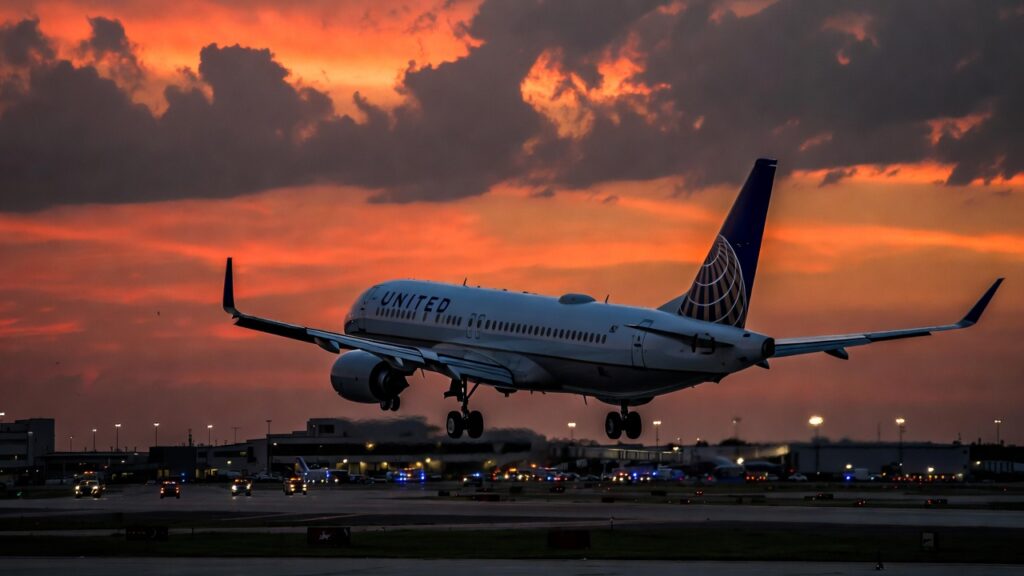
Lessons from the United Airlines Flight UA770 Emergency Diversion
Several important lessons emerge from analyzing the United airlines flight ua770 emergency diversion:
- Safety always takes priority over schedules.
- Pilots rely on systematic decision-making procedures.
- Airline operations centers provide crucial support.
- Modern aircraft technology enhances reliability.
- Diversions are proactive safety measures.
Together, these factors illustrate the complexity and professionalism behind modern airline operations.
Deduction
The United airlines flight ua770 emergency diversion highlights the robust safety systems that define contemporary aviation. Although unexpected events occasionally require flights to change course, the industry’s structured response mechanisms ensure that passengers remain protected at every stage of the journey.
From highly trained pilots and advanced aircraft technology to coordinated airline operations and airport support services, every component of the aviation ecosystem works together to manage unexpected situations effectively.
Rather than signaling danger, an emergency diversion demonstrates the strength of aviation’s safety culture—a culture built on preparedness, vigilance, and a commitment to protecting every passenger in the skies.