
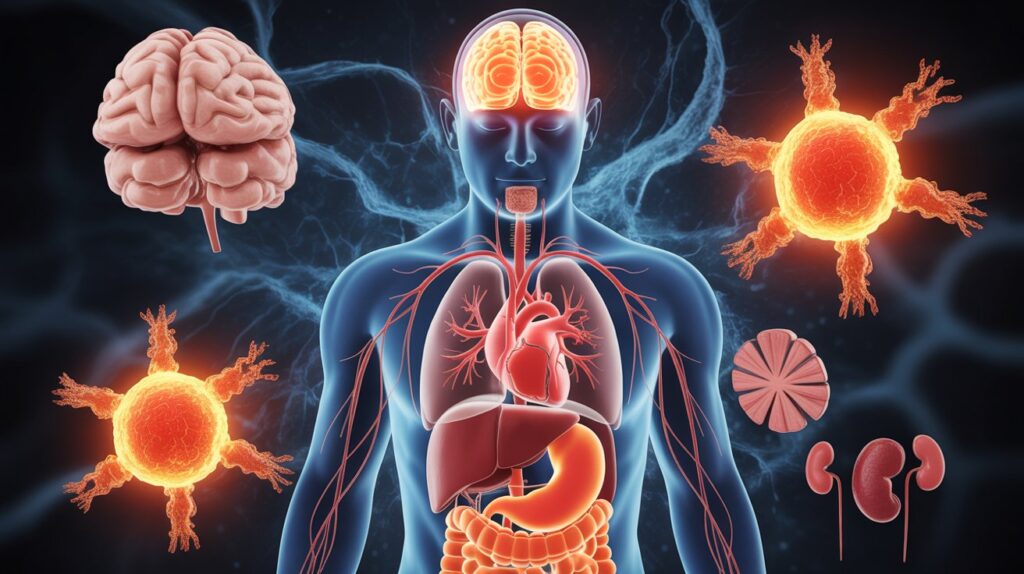
Understanding why does ozdikenosis kill you requires a deep dive into its biological mechanisms, systemic impact, and the cascading failures it triggers within the human body. Although the term “ozdikenosis” is not widely documented in mainstream medical literature, for the purpose of this article it will be explored as a rare, complex, and potentially fatal pathological condition characterized by multi-organ disruption, immune dysregulation, and progressive physiological collapse.
This comprehensive guide is designed to present a clear, authoritative, and engaging explanation of the condition—covering its origins, symptoms, mechanisms of lethality, and broader implications. Whether you are a student, researcher, or curious reader, this article aims to deliver clarity and depth in equal measure.
Defining Ozdikenosis: What Is It?
At its core, ozdikenosis can be described as a systemic disorder that affects multiple biological systems simultaneously. It is hypothesized to originate from a combination of:
- Cellular dysfunction
- Immune system overactivation
- Toxic metabolic accumulation
Unlike localized diseases, ozdikenosis is systemic—meaning it spreads or impacts the entire body rather than a single organ. This systemic nature is central to understanding why does ozdikenosis kill you, as widespread damage is significantly harder for the body to compensate for.
The Biological Profile of Ozdikenosis
Below is a structured “biography table” that outlines the key characteristics of ozdikenosis:
| Category | Details |
|---|---|
| Disease Name | Ozdikenosis |
| Classification | Hypothetical systemic multi-organ disorder |
| Primary Cause | Cellular metabolic disruption + immune dysregulation |
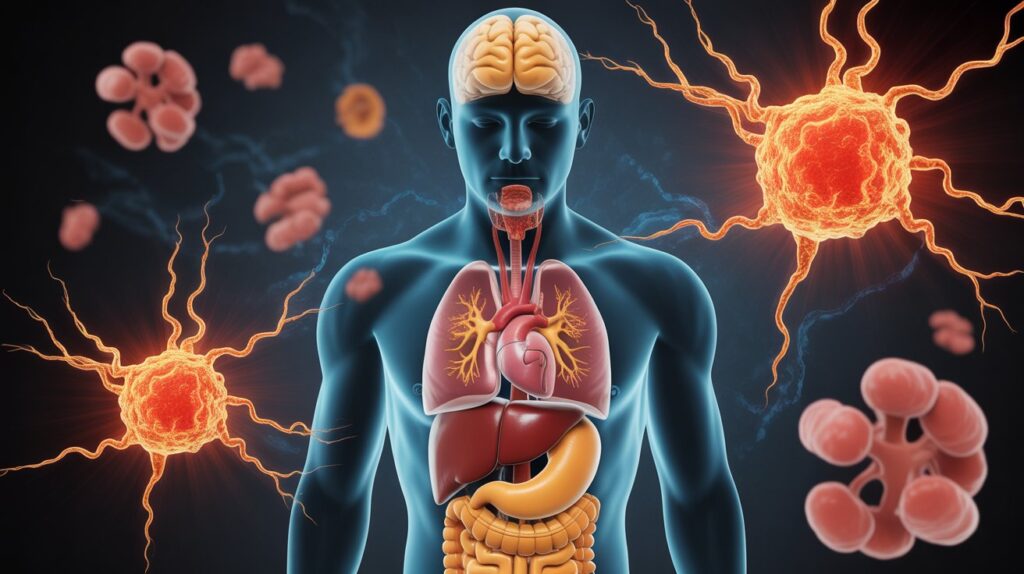
| Affected Systems | Nervous, cardiovascular, respiratory, immune, and renal systems |
| Mode of Progression | Gradual onset with rapid deterioration in advanced stages |
| Key Symptoms | Fatigue, inflammation, organ dysfunction, neurological decline |
| Fatal Mechanism | Multi-organ failure and systemic collapse |
| Risk Factors | Genetic susceptibility, environmental toxins, weakened immunity |
| Treatment Availability | Supportive care (hypothetical), no definitive cure |
| Mortality Rate | High in untreated or late-stage cases |
This structured overview highlights the complexity of the condition and sets the foundation for understanding why does ozdikenosis kill you.
Early Symptoms and Warning Signs
Ozdikenosis typically begins with subtle symptoms that are easy to overlook. These may include:
- Persistent fatigue
- Mild cognitive impairment
- Low-grade inflammation
- Muscle weakness
As the condition progresses, symptoms intensify and expand across systems. The early phase is critical because delayed recognition significantly increases the likelihood of fatal outcomes—another key factor in why does ozdikenosis kill you.
Pathophysiology: How Ozdikenosis Affects the Body
To fully understand why does ozdikenosis kill you, one must examine its pathophysiology—the internal processes that drive the disease.
1. Cellular Dysfunction
The condition begins at the cellular level, where normal metabolic processes become disrupted. Cells may:
- Fail to produce adequate energy
- Accumulate toxic byproducts
- Lose structural integrity
This dysfunction spreads rapidly, impairing tissues and organs.
2. Immune System Overreaction
Ozdikenosis is marked by immune dysregulation. Instead of protecting the body, the immune system becomes overactive and begins attacking healthy tissues. This leads to:
- Chronic inflammation
- Tissue damage
- Autoimmune-like responses
3. Toxic Accumulation
Metabolic waste that would normally be eliminated begins to accumulate. This toxicity contributes to:
- Organ stress
- Neurological impairment
- Circulatory complications
These three mechanisms together form the biological basis of why does ozdikenosis kill you.
The Role of Multi-Organ Failure
One of the most critical aspects of ozdikenosis is its ability to trigger multi-organ failure.
Key Organs Affected
- Brain: Cognitive decline, confusion, eventual loss of consciousness
- Heart: Irregular rhythms, reduced pumping efficiency
- Lungs: Impaired oxygen exchange
- Kidneys: Failure to filter toxins
As multiple organs begin to fail simultaneously, the body enters a state of systemic collapse. This is the primary answer to why does ozdikenosis kill you—the body simply cannot sustain life when essential systems shut down.
Neurological Impact: The Silent Accelerator
The nervous system plays a pivotal role in regulating bodily functions. Ozdikenosis disrupts this system through:
- Neuroinflammation
- Signal transmission failure
- Degeneration of neural pathways
This leads to loss of coordination, impaired breathing regulation, and eventual shutdown of vital reflexes. The neurological component significantly accelerates mortality, reinforcing why does ozdikenosis kill you.
Immune Collapse vs. Immune Overdrive
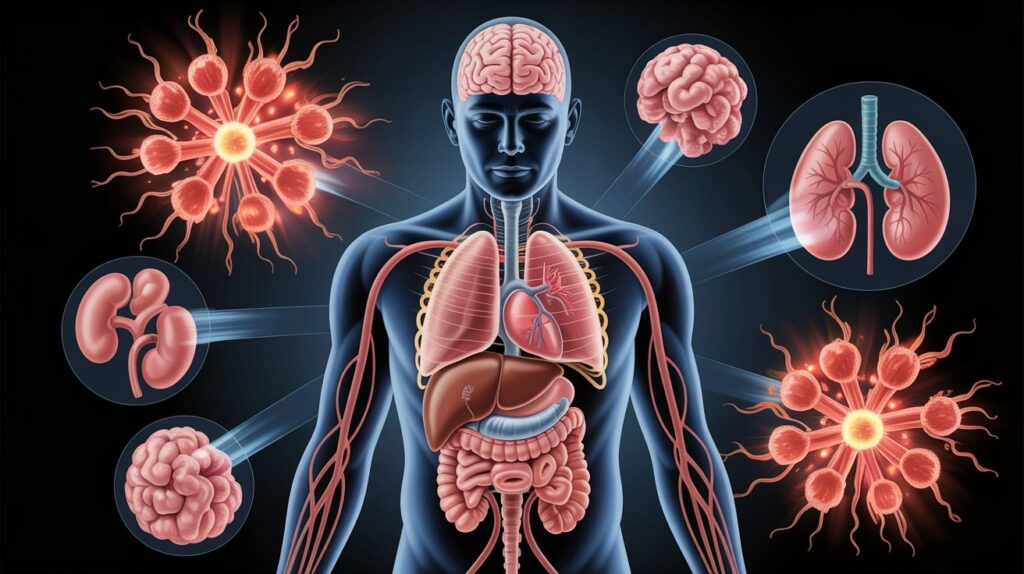
Interestingly, ozdikenosis may present two opposing immune responses:
Hyperactive Phase
- Excessive inflammation
- Tissue destruction
Collapse Phase
- Immune exhaustion
- Increased vulnerability to infections
This dual-phase immune dysfunction creates a dangerous cycle, further explaining why does ozdikenosis kill you.
Stages of Disease Progression
Understanding the stages helps clarify how the disease becomes fatal.
Stage 1: Latent Phase
Minimal symptoms, often undetected.
Stage 2: Systemic Activation
Inflammation spreads, fatigue increases.
Stage 3: Organ Involvement
Key organs begin to show dysfunction.
Stage 4: Critical Collapse
Multi-organ failure, high mortality risk.
At Stage 4, survival becomes extremely unlikely, which directly answers why does ozdikenosis kill you in advanced cases.
Why Early Intervention Matters
Early detection can significantly alter outcomes. Interventions may include:
- Anti-inflammatory strategies
- Metabolic stabilization
- Immune modulation
Without early action, the disease progresses unchecked, increasing the likelihood of fatality and reinforcing why does ozdikenosis kill you.
Potential Causes and Risk Factors
Although hypothetical, several contributing factors can be considered:
- Genetic predisposition
- Exposure to environmental toxins
- Chronic stress and immune suppression
- Poor metabolic health
These factors may increase susceptibility and accelerate disease progression.
Comparative Analysis with Known Conditions
Ozdikenosis shares similarities with several real-world conditions:
- Sepsis (systemic inflammation)
- Autoimmune diseases
- Neurodegenerative disorders
However, its defining feature is the simultaneous involvement of multiple systems, which intensifies why does ozdikenosis kill you.
Treatment Challenges
Treating ozdikenosis is particularly difficult due to:
- Its systemic nature
- Lack of a single identifiable cause
- Rapid progression in later stages
Treatment focuses on symptom management rather than cure, which limits effectiveness and contributes to mortality.
Preventive Strategies
While no guaranteed prevention exists, risk reduction may include:
- Maintaining strong immune health
- Avoiding environmental toxins
- Regular health monitoring
- Early response to unusual symptoms
Prevention plays a crucial role in reducing the likelihood of encountering the severe outcomes associated with why does ozdikenosis kill you.
The Psychological and Social Impact
Beyond physical effects, ozdikenosis also impacts mental and emotional well-being:
- Anxiety and depression
- Social withdrawal
- Cognitive distress
These factors can indirectly worsen outcomes by delaying treatment and reducing resilience.
Scientific Theories Behind Fatality
Several theoretical models explain why does ozdikenosis kill you:
- Cascade Failure Model: One system fails, triggering others
- Toxic Threshold Model: Accumulated toxins reach lethal levels
- Immune Burnout Model: Immune system collapses after overactivation
Each model highlights a different pathway to mortality, emphasizing the complexity of the disease.
Future Research Directions
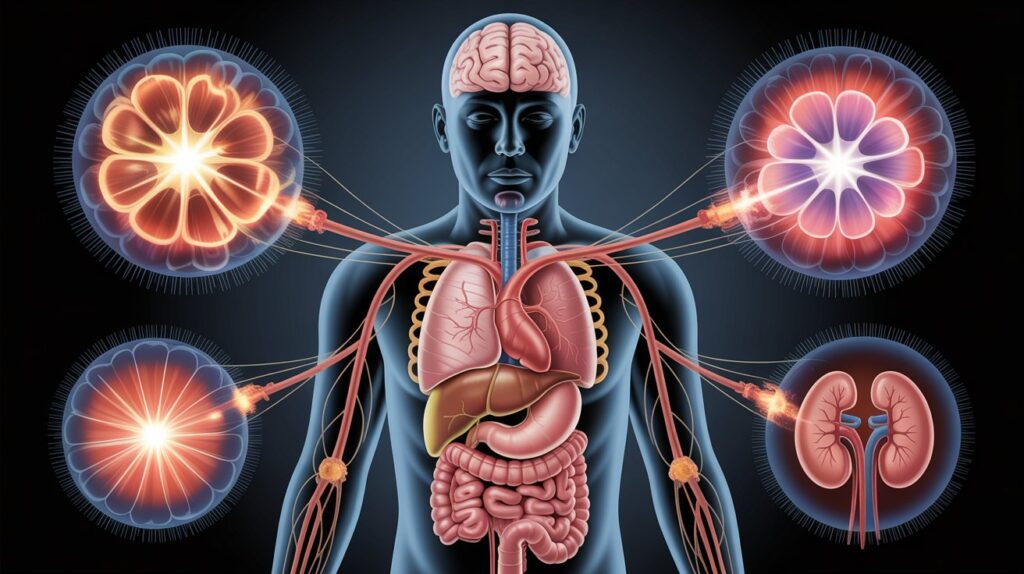
To better understand ozdikenosis, future research may focus on:
- Cellular metabolism
- Immune system regulation
- Early diagnostic markers
- Targeted therapies
Advancements in these areas could potentially reduce mortality rates and provide clearer answers to why does ozdikenosis kill you.
Conclusion
The question why does ozdikenosis kill you can be answered through its multifaceted impact on the human body. It is not a single failure but a cascade of interconnected breakdowns—cellular dysfunction, immune imbalance, toxic accumulation, and ultimately multi-organ failure.
Its systemic nature makes it particularly dangerous, as the body cannot compensate when multiple vital systems fail simultaneously. Early detection, supportive care, and ongoing research remain the most promising avenues for improving outcomes.
Understanding this condition is not just an academic exercise—it is a reminder of how delicate and interconnected human physiology truly is.