
Cooking oil is a staple in nearly every kitchen, from home cooks to professional chefs. Yet, once it has served its purpose, many people are left wondering how to handle it properly. Understanding how to dispose of cooking oil is not only essential for maintaining a clean kitchen but also critical for protecting plumbing systems, local infrastructure, and the environment.
This comprehensive guide explores every aspect of how to dispose of cooking oil safely, efficiently, and responsibly. From small household quantities to larger volumes, you will learn proven techniques, best practices, and environmentally sound solutions that ensure proper disposal.
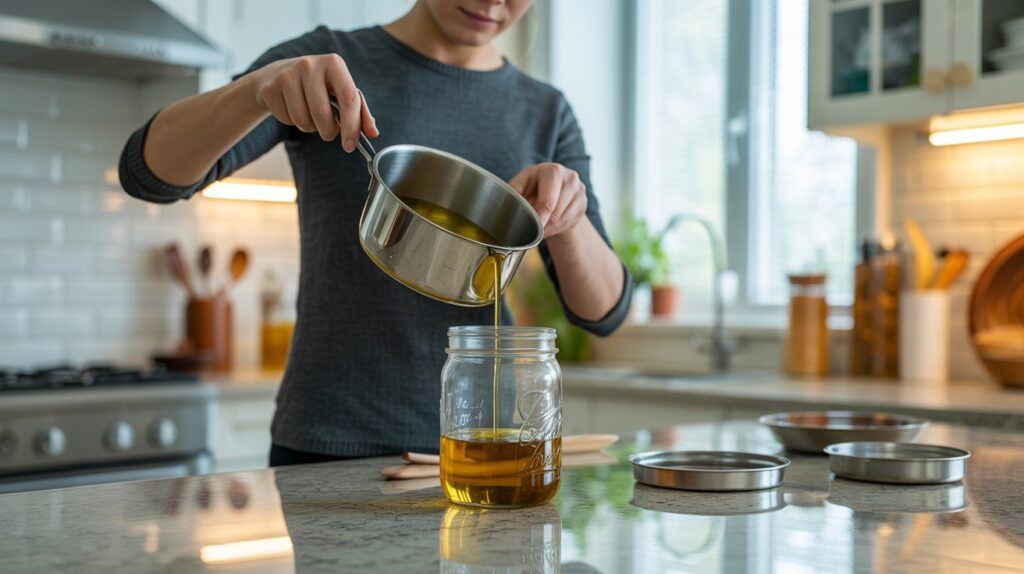
Why Proper Disposal of Cooking Oil Matters
Improper disposal of cooking oil can lead to a range of problems, many of which are costly and environmentally damaging. When poured down the sink, oil solidifies and clings to pipes, eventually causing blockages. Over time, these blockages can escalate into severe plumbing issues and even contribute to municipal sewer system failures.
Beyond plumbing concerns, understanding how to dispose of cooking oil properly reduces environmental pollution. Oil that enters waterways forms a film on the surface, disrupting oxygen exchange and harming aquatic ecosystems.
Understanding Different Types of Cooking Oil Waste
Before learning how to dispose of cooking oil, it is important to distinguish between the types of oil waste you may encounter:
Used Cooking Oil
Oil that has been used for frying or sautéing and is no longer suitable for cooking.
Burnt or Degraded Oil
Oil that has broken down due to high heat, often darker in color and emitting a strong odor.
Small Residual Amounts
Tiny quantities left in pans or dishes after cooking.
Each type requires a slightly different disposal method, which will be discussed in detail below.
Safe Methods for Disposing of Cooking Oil at Home
1. Allow the Oil to Cool Completely
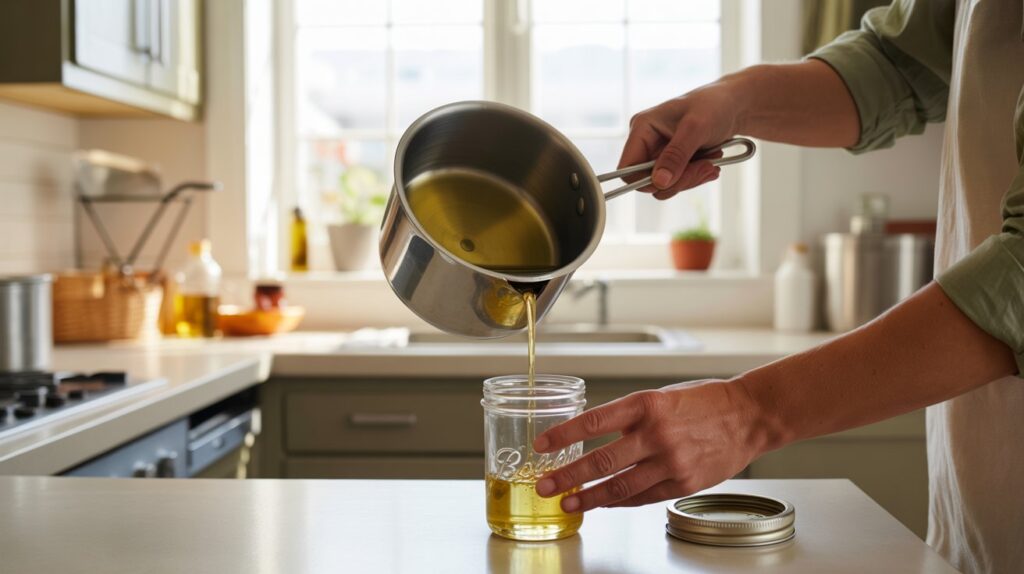
Before handling oil, always allow it to cool. Hot oil can cause burns and damage containers. Cooling also makes it easier to manage and transfer.
Understanding how to dispose of cooking oil starts with safety, and cooling is the first essential step.
2. Use a Sealable Container
Pour cooled oil into a non-breakable, sealable container such as:
- Plastic bottles
- Glass jars with tight lids
- Empty food packaging containers
Once sealed, the container can be disposed of with household waste. This is one of the simplest answers to how to dispose of cooking oil safely.
3. Solidify the Oil Before Disposal
For added safety and convenience:
- Mix oil with absorbent materials such as flour, sawdust, or cat litter.
- Let it solidify into a semi-solid mass.
- Dispose of it in the trash.
This method is particularly useful for larger quantities and is a practical approach to how to dispose of cooking oil without leaks or spills.
4. Reuse When Possible
If the oil is still relatively clean:
- Strain it through a fine sieve or cheesecloth.
- Store it in a clean container.
- Reuse it for similar cooking purposes.
While not strictly disposal, reuse reduces waste and delays the need to figure out how to dispose of cooking oil altogether.
Environmentally Friendly Disposal Options
Recycling Cooking Oil
Many communities offer recycling programs where used oil is converted into biodiesel or other products. This is one of the most sustainable ways to handle waste oil.
Check for:
- Local recycling centers
- Community collection programs
- Specialized waste disposal services
Recycling is widely regarded as the best solution for how to dispose of cooking oil in an eco-conscious manner.
Composting Small Quantities
In limited amounts, certain vegetable oils can be added to compost systems. However:
- Avoid large quantities
- Do not use animal fats
- Ensure proper balance in compost material
Composting provides an alternative answer to how to dispose of cooking oil while contributing to soil health.
What Not to Do When Disposing of Cooking Oil
Understanding what to avoid is just as important as knowing how to dispose of cooking oil correctly.
Never Pour Oil Down the Sink
This leads to clogged pipes and costly repairs.
Avoid Flushing Oil in Toilets
This can damage plumbing and municipal systems.
Do Not Dump Oil Outdoors
Oil contaminates soil and water sources.
Avoid Mixing with Regular Liquid Waste
Oil does not break down easily and can disrupt waste treatment systems.
Handling Large Quantities of Cooking Oil
For households or small businesses dealing with significant amounts:
Bulk Storage
Store used oil in large, secure containers designed for liquid waste.
Professional Collection Services
Many companies specialize in collecting and recycling cooking oil.
Commercial Recycling Programs
Restaurants often partner with recycling providers for regular pickups.
Learning how to dispose of cooking oil at scale ensures compliance with regulations and environmental standards.
Creative and Practical Reuse Ideas
Before disposal, consider alternative uses:
Soap Making
Used oil can be repurposed into homemade soap with proper processing.
Lubrication
Oil can serve as a lubricant for tools and hinges.
Animal Feed (Special Cases)
In controlled environments, certain oils may be reused for animal feed production.
These options extend the lifecycle of oil and reduce the urgency of figuring out how to dispose of cooking oil.
Storage Tips Before Disposal
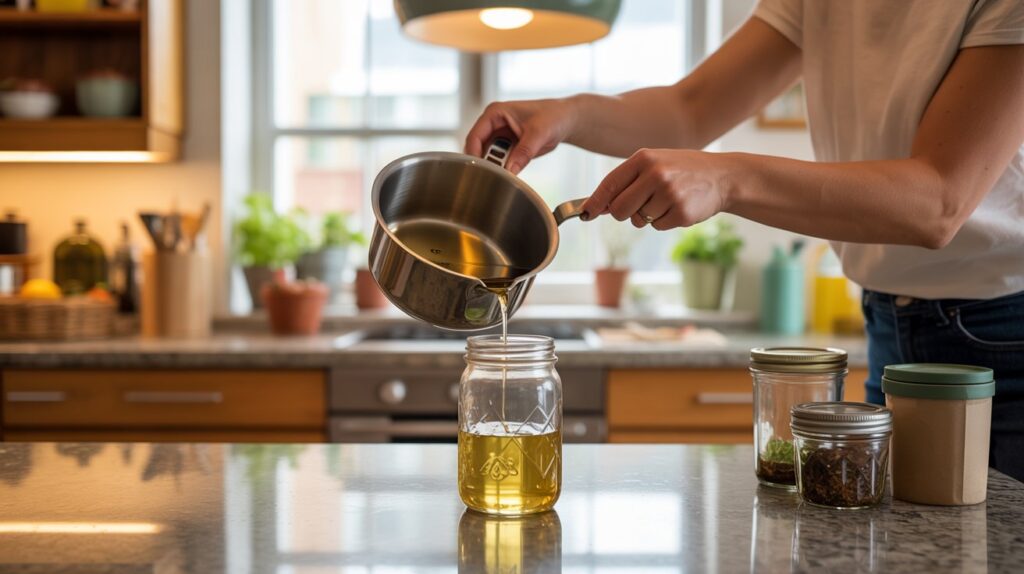
Proper storage is crucial when planning how to dispose of cooking oil:
- Keep oil in a cool, dark place
- Label containers clearly
- Avoid mixing different types of waste
- Use leak-proof containers
These practices ensure safety and cleanliness until disposal is completed.
Health and Safety Considerations
Handling used cooking oil involves certain risks:
- Slippery surfaces can cause accidents
- Spoiled oil may emit harmful fumes
- Improper storage can attract pests
Understanding how to dispose of cooking oil responsibly also means prioritizing personal safety.
Legal and Regulatory Considerations
In some regions, improper disposal of cooking oil may result in fines or penalties. Regulations often require:
- Proper containment
- Approved disposal methods
- Recycling compliance for businesses
Being informed about local laws is an essential part of understanding how to dispose of cooking oil responsibly.
Comparison of Disposal Methods
| Method | Convenience | Environmental Impact | Cost | Best For |
|---|---|---|---|---|
| Trash (sealed container) | High | Moderate | Low | Small households |
| Recycling centers | Medium | Very Low | Low | Eco-conscious users |
| Composting | Low | Low | Low | Gardeners |
| Professional services | High | Very Low | Medium | Businesses |
| Reuse | Medium | Very Low | Free | Frequent cooks |
Biographical Table: Cooking Oil Disposal Knowledge Overview
| Aspect | Description |
|---|---|
| Topic | Cooking Oil Disposal |
| Core Focus | Safe, eco-friendly waste management |
| Primary Audience | Home cooks, restaurants, environmental enthusiasts |
| Key Challenge | Preventing plumbing damage and pollution |
| Essential Skill | Identifying proper disposal methods |
| Environmental Impact | High if mismanaged, low when handled correctly |
| Recommended Practice | Recycling and safe containment |
| Knowledge Category | Household Management / Environmental Responsibility |
| Practical Application | Daily kitchen waste handling |
| Long-Term Benefit | Sustainable living and infrastructure protection |
Advanced Tips for Efficient Oil Disposal
Use Oil Solidifiers
Commercial products can turn liquid oil into solid waste quickly.
Dedicated Oil Containers
Keep a designated container in your kitchen for used oil.
Filter Before Storage
Removing food particles improves storage quality.
Track Usage
Monitoring oil usage reduces waste and simplifies how to dispose of cooking oil.
Frequently Asked Questions (FAQs)
Can I pour cooking oil down the drain with hot water?
No. Hot water may temporarily move the oil, but it will eventually solidify and cause blockages.
Is it safe to throw oil directly into the trash?
Only if it is sealed in a container or solidified to prevent leaks.
How often should I dispose of cooking oil?
This depends on usage. Frequent cooks may need to dispose of oil weekly.
Can all types of oil be recycled?
Most vegetable oils can be recycled, but animal fats may require special handling.
What is the most eco-friendly way to handle used oil?
Recycling is generally the most environmentally responsible option.
Can I reuse oil multiple times?
Yes, if properly filtered and stored, but it should not be reused indefinitely.
What happens if oil enters the sewer system?
It can contribute to large blockages known as fatbergs, causing serious infrastructure issues.
Are there tools to make disposal easier?
Yes, oil solidifiers and dedicated containers simplify the process significantly.
A Practical Closing Perspective: Turning Waste Into Responsibility
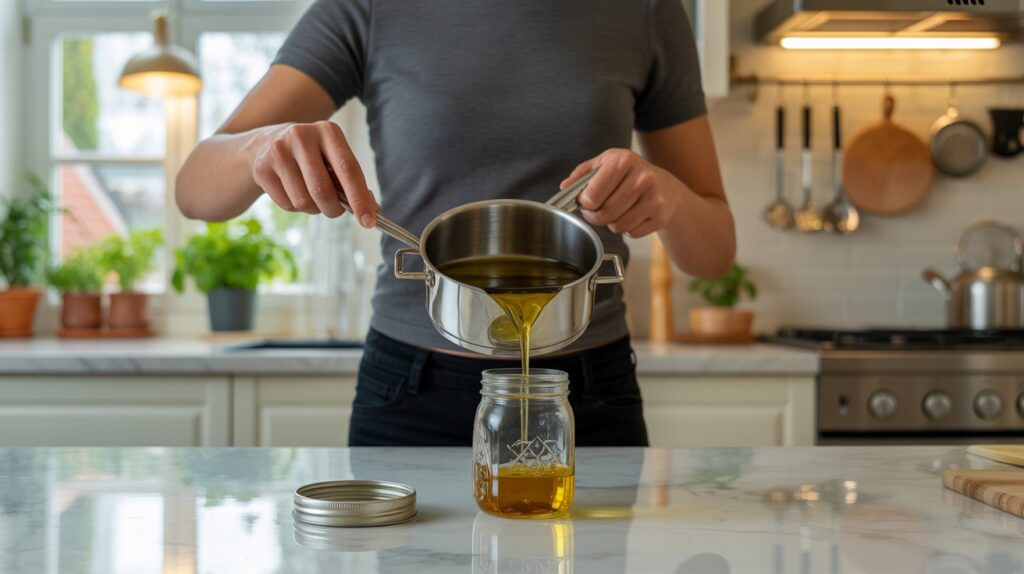
Mastering how to dispose of cooking oil is more than a routine kitchen task—it reflects a broader commitment to responsible living. Every drop of oil handled correctly contributes to cleaner waterways, healthier infrastructure, and a more sustainable environment.
By adopting the methods outlined in this guide, you transform a simple act of disposal into a meaningful practice of care, efficiency, and environmental stewardship.