
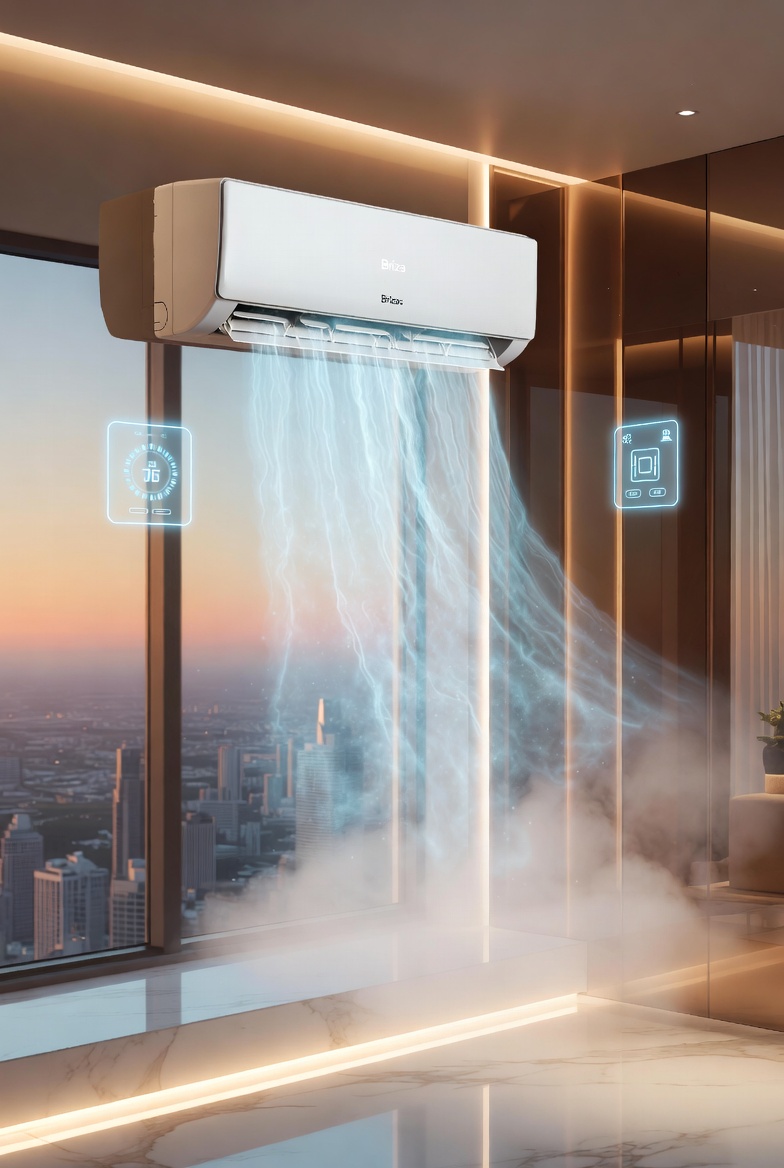
Briza AC
When people search for a cooling system that combines comfort, efficiency, and modern performance, the term “briza ac” is becoming increasingly popular. Homeowners, office users, and even commercial property managers are looking for cooling solutions that can handle rising temperatures without causing massive electricity bills. That is exactly where briza ac systems stand out.
The cooling industry has changed dramatically over the last decade. Traditional air conditioners focused mostly on cooling power, but modern consumers now care about energy efficiency, noise reduction, air quality, and smart features. Briza ac products are often discussed because they aim to balance all these important factors while maintaining reliable performance in different climates.
Another reason why briza ac is gaining attention is the growing demand for eco-friendly appliances. Many people now want appliances that reduce energy consumption and minimize environmental impact. Advanced compressor technology, inverter systems, and intelligent airflow controls have transformed the modern AC experience. Instead of simply making a room cold, newer systems create balanced indoor comfort while using less electricity.
In many households, air conditioning is no longer considered a luxury. In hot regions especially, cooling systems are essential for productivity, sleep quality, and overall well-being. Whether someone is working from home, studying, or relaxing with family, maintaining a comfortable indoor temperature can greatly improve daily life.
“A high-quality cooling system is not just about lower temperatures. It is about healthier air, quieter living, and better energy management.”
The popularity of briza ac also reflects changing consumer expectations. Buyers are no longer satisfied with bulky machines that consume excessive electricity. They want sleek designs, smart connectivity, low maintenance requirements, and dependable cooling performance during extreme weather conditions.
This article explores every important aspect of briza ac systems. From cooling technology and energy-saving features to maintenance tips and buying advice, this guide covers everything readers need to know in a simple yet expert-friendly way.
Understanding What Makes Briza AC Different
The modern air conditioning market is highly competitive, so standing out requires more than basic cooling. Briza ac systems are often associated with advanced cooling technologies that focus on comfort and efficiency simultaneously. Many users appreciate how these systems are designed to cool spaces quickly while maintaining stable temperatures over longer periods.
One major advantage linked with briza ac technology is airflow management. Traditional systems sometimes create uneven cooling, where one side of the room feels freezing while another remains warm. Better airflow distribution helps maintain consistent comfort throughout the room. This becomes especially useful in bedrooms, offices, and larger living spaces.
Another feature often connected with briza ac units is quieter operation. Older air conditioners could become noisy and distracting, especially during nighttime use. Modern cooling systems prioritize silent or low-noise functionality, making them ideal for sleep environments, study areas, and professional workplaces.
The design aspect also matters. Consumers now prefer air conditioners that blend naturally into modern interiors. Compact indoor units, clean finishes, and minimalist designs help make cooling systems look more elegant instead of industrial.
Many people are also interested in how briza ac systems contribute to better indoor air quality. Dust filters, purification layers, and humidity control functions can help improve breathing comfort indoors. This is particularly beneficial for households with children, elderly family members, or allergy-sensitive individuals.
Energy-saving technology has become another major selling point. Inverter compressors adjust cooling performance according to room temperature needs instead of running continuously at full power. This reduces unnecessary electricity usage and can lower utility bills significantly over time.
The overall user experience matters as well. Modern remote controls, smartphone integration, programmable timers, and smart sensors all contribute to easier operation. Consumers appreciate appliances that work intelligently instead of requiring constant adjustments.
The Growing Importance of Energy-Efficient Cooling
Energy efficiency is one of the most important topics in the air conditioning industry today. Rising electricity costs and environmental concerns have pushed consumers toward smarter cooling systems. Briza ac models are often discussed in this context because buyers increasingly prioritize long-term savings over short-term affordability.
Traditional air conditioners typically operate with fixed-speed compressors. These compressors turn on and off repeatedly, consuming large amounts of power during startup cycles. In contrast, inverter-based cooling systems regulate speed dynamically based on room conditions. This reduces energy waste and maintains more stable temperatures.
Efficient cooling also affects environmental sustainability. Lower electricity usage means reduced pressure on power grids and fewer greenhouse gas emissions associated with energy production. As governments and consumers become more environmentally conscious, energy-efficient appliances continue gaining popularity.
One interesting aspect of efficient cooling is temperature consistency. Older systems often caused uncomfortable temperature swings because they alternated between maximum cooling and shutdown cycles. Smarter systems maintain gradual and balanced cooling, which feels more natural and comfortable.
Modern cooling technologies also focus on reducing humidity levels effectively. Excess indoor humidity can make rooms feel warmer than they actually are. By managing moisture properly, air conditioners can improve comfort without requiring excessively low temperatures.
Another important factor is seasonal performance. A good cooling system should perform reliably even during intense summer heat. Systems with efficient compressors and optimized refrigerant flow maintain better cooling stability under high outdoor temperatures.
Consumers are also paying closer attention to energy ratings. Higher-rated appliances generally consume less electricity while delivering similar or better cooling output. Although these models may cost more initially, the savings over several years can be substantial.
“Efficient cooling is not about sacrificing comfort. It is about achieving maximum comfort with minimum energy consumption.”
Smart temperature sensors further improve efficiency by detecting occupancy and environmental conditions. Some systems can reduce power usage automatically when rooms are empty or when cooling demands decrease during nighttime hours.
Key Features People Look for in Briza AC Systems
Modern consumers evaluate many features before purchasing an air conditioner. Cooling performance remains essential, but buyers now look beyond raw power alone. Briza ac discussions often revolve around convenience, durability, and intelligent features that improve daily life.
Fast cooling technology is usually one of the first things buyers notice. Nobody wants to wait a long time for relief during extremely hot weather. Systems designed for rapid cooling can quickly bring indoor temperatures to comfortable levels.
Air purification features are also becoming increasingly valuable. Dust particles, allergens, and airborne pollutants can affect indoor air quality significantly. Multi-layer filtration systems help remove impurities and create healthier indoor environments.
Wi-Fi connectivity is another modern feature attracting consumers. Smart-enabled systems allow users to control temperature settings remotely through mobile apps. This can be useful for preparing a room before arriving home or managing energy usage while away.
Sleep mode functionality has also gained popularity. During sleep, the body naturally prefers slightly adjusted temperature patterns. Intelligent sleep modes automatically modify cooling levels throughout the night for improved comfort and efficiency.
Durability matters greatly in regions with long summer seasons. Consumers prefer systems built with corrosion-resistant materials and reliable internal components. A durable unit not only lasts longer but also reduces repair expenses over time.
Many people also appreciate self-cleaning features. Moisture buildup inside air conditioners can lead to unpleasant odors or bacterial growth. Self-cleaning systems help maintain hygiene and reduce maintenance needs.
Modern systems increasingly focus on eco-friendly refrigerants as well. Older refrigerants contributed significantly to environmental damage, while newer alternatives aim to reduce harmful environmental impact.
Aesthetic design should not be overlooked either. Contemporary air conditioners are designed to complement modern homes instead of disrupting interior décor. Slim indoor units and hidden display panels contribute to cleaner visual appeal.
User-friendly interfaces further improve convenience. Simple controls, digital displays, and intuitive settings help users operate systems without confusion or technical frustration.
Why Indoor Air Quality Matters More Than Ever
Air conditioning is no longer only about cooling temperatures. Indoor air quality has become one of the most important concerns for homeowners and businesses alike. Briza ac systems are frequently discussed in relation to cleaner and healthier indoor environments.
Modern lifestyles mean people spend large amounts of time indoors. Poor indoor air quality can contribute to allergies, respiratory irritation, fatigue, and discomfort. Because of this, many consumers prioritize cooling systems with advanced filtration technology.
Dust accumulation is a common problem in homes and offices. Air conditioners equipped with effective filters help reduce airborne particles and improve cleanliness indoors. This can create a more comfortable environment for everyone, especially individuals with sensitivities.
Humidity control also plays a major role in air quality. Excess moisture encourages mold growth and creates sticky, uncomfortable conditions. Effective cooling systems maintain balanced humidity levels that support healthier indoor living.
Odor management is another useful feature. Cooking smells, smoke, and pet odors can linger indoors for long periods. Advanced filtration systems can help minimize unpleasant odors and maintain fresher indoor air.
Some systems also include antibacterial or antiviral filter layers. While these features are not replacements for medical-grade purification systems, they can contribute to cleaner airflow within living spaces.
Air circulation is equally important. Stagnant air often feels heavy and uncomfortable, while balanced airflow improves freshness and comfort. Good airflow distribution helps eliminate hot spots and enhances overall room consistency.
Noise reduction indirectly contributes to comfort as well. Quiet cooling systems create more relaxing indoor environments, supporting better sleep, concentration, and relaxation.
People working remotely now spend more time at home than ever before. As a result, indoor comfort directly affects productivity and well-being. Cooling systems that improve air quality can positively impact daily routines and overall lifestyle satisfaction.
Smart Technology and the Evolution of Modern Cooling
Technology has transformed nearly every household appliance, and air conditioning is no exception. Briza ac systems are often associated with smart cooling solutions that combine automation, efficiency, and user convenience.
Smartphone integration has become increasingly common. Users can adjust temperatures, schedule operating times, and monitor energy usage remotely. This level of control helps improve comfort while minimizing unnecessary electricity consumption.
Voice assistant compatibility is another growing trend. Smart home ecosystems now allow users to control cooling systems through voice commands, making operation simpler and more accessible.
Temperature learning systems are especially interesting. Some advanced units can analyze user habits and automatically optimize settings based on preferred comfort patterns. This reduces manual adjustments and improves overall efficiency.
Energy monitoring tools provide valuable insights into electricity consumption. Users can identify usage patterns and make smarter decisions to reduce operating costs. Awareness of energy usage often encourages more sustainable habits.
Automation features also help improve convenience. Timers and programmable schedules allow users to cool spaces only when needed. This prevents waste and supports better long-term efficiency.
Smart diagnostic systems are another major innovation. Instead of waiting for complete system failure, intelligent monitoring can detect maintenance issues early and alert users before problems become serious.
Remote maintenance support has also become more common. Some systems allow technicians to diagnose issues digitally, reducing downtime and improving service efficiency.
Climate adaptation technology is particularly useful in regions with unpredictable weather conditions. Intelligent sensors can adjust cooling output automatically depending on indoor and outdoor environmental changes.
Modern consumers increasingly value seamless integration between appliances and digital lifestyles. Air conditioners are no longer isolated machines; they are becoming active components within broader smart home ecosystems.
Installation Factors That Affect Cooling Performance
Even the best air conditioner may perform poorly if installed incorrectly. Proper installation plays a critical role in maximizing efficiency, comfort, and durability. Discussions about briza ac systems often highlight the importance of professional setup.
Room size is one of the first considerations during installation. An undersized unit may struggle to cool effectively, while an oversized system can waste energy and create uneven temperature cycles. Choosing appropriate cooling capacity is essential.
Indoor unit placement also affects airflow quality. Poor positioning can create hot spots or obstruct circulation patterns. Installers typically aim for locations that allow balanced airflow throughout the room.
Outdoor unit positioning matters as well. Adequate ventilation around the external compressor helps maintain efficient heat exchange. Units placed in cramped or poorly ventilated areas may experience reduced performance.
Sun exposure can influence cooling efficiency significantly. Rooms receiving intense sunlight may require additional cooling capacity or better insulation to maintain comfortable temperatures.
Pipe insulation and refrigerant line quality are equally important. Improper insulation can reduce cooling efficiency and increase energy consumption over time.
Electrical stability should never be ignored. Voltage fluctuations can damage sensitive internal components and shorten system lifespan. Stabilizers or protective devices may help safeguard equipment in areas with unstable power supply.
Professional installers also ensure proper drainage setup. Poor drainage can cause water leakage, unpleasant odors, and internal damage. Correct drainage alignment supports long-term reliability.
Consumers sometimes underestimate the importance of regular inspection after installation. Checking airflow, refrigerant levels, and electrical connections ensures the system continues operating efficiently.
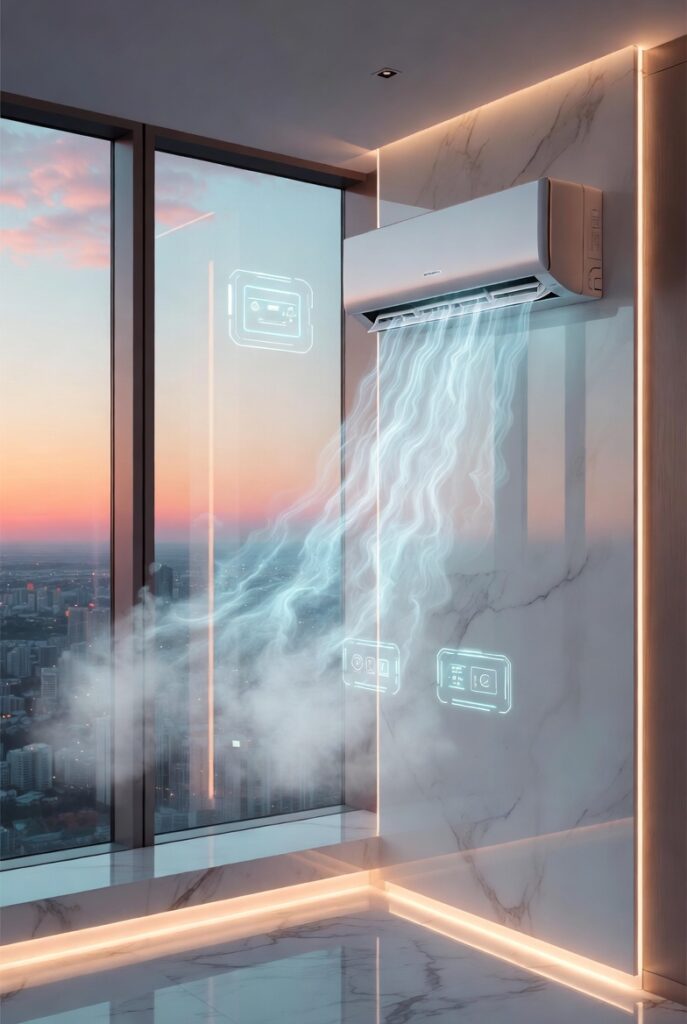
Proper installation not only improves performance but also extends equipment lifespan. Investing in professional setup often saves money by preventing future repairs and inefficiencies.
Maintenance Tips to Keep Briza AC Running Efficiently
Maintenance is one of the most important aspects of long-term air conditioner performance. Even high-quality systems require regular care to maintain cooling efficiency and durability. Proper maintenance helps briza ac systems operate smoothly throughout demanding summer seasons.
Cleaning filters regularly is essential. Dust accumulation restricts airflow and forces the system to work harder, increasing energy consumption. Clean filters improve airflow, cooling speed, and indoor air quality.
Outdoor units also require attention. Leaves, dirt, and debris can block ventilation and reduce cooling efficiency. Keeping the surrounding area clear supports better airflow and compressor performance.
Checking refrigerant levels is another important maintenance task. Low refrigerant levels can reduce cooling effectiveness and place additional strain on internal components.
Professional servicing should be scheduled periodically. Technicians can inspect electrical connections, compressor health, drainage systems, and internal parts to identify potential issues before they become serious.
Drainage cleaning prevents water leakage and mold buildup. Moisture accumulation inside drainage lines can create unpleasant odors and hygiene problems if ignored for long periods.
Remote controls and smart sensors should also be tested occasionally. Faulty controls can reduce convenience and affect system efficiency.
Unusual noises should never be ignored. Vibrations, rattling, or grinding sounds may indicate loose components or mechanical issues requiring immediate attention.
Seasonal inspection before peak summer months can improve reliability significantly. Preventive maintenance helps avoid unexpected breakdowns during periods of heavy usage.
“Regular maintenance is not an expense. It is an investment in efficiency, comfort, and long-term performance.”
Well-maintained systems generally cool faster, consume less electricity, and last longer compared to neglected units.
Common Problems Users May Experience
Like all appliances, air conditioners can occasionally develop issues. Understanding common problems helps users respond quickly and prevent more serious damage.
Weak airflow is one frequent complaint. This may result from dirty filters, blocked vents, or blower issues. Regular cleaning often resolves the problem quickly.
Insufficient cooling can have several causes, including refrigerant leaks, thermostat issues, or dirty coils. Early diagnosis prevents additional strain on the compressor.
Water leakage is another common concern. Blocked drainage lines or improper installation may lead to moisture accumulation around the indoor unit.
Strange noises often indicate loose components or mechanical wear. Buzzing, grinding, or clicking sounds should be checked by professionals promptly.
Bad odors may develop if filters or drainage systems are not cleaned regularly. Mold and bacterial growth inside moist environments can create unpleasant smells.
Frequent cycling can also reduce efficiency. If the system turns on and off repeatedly, thermostat calibration or compressor performance may need inspection.
Remote control malfunctions are relatively minor but still frustrating. Weak batteries or sensor issues often cause communication problems.
Electrical issues should always be handled carefully. Flickering power, burning smells, or circuit breaker trips require immediate professional attention.
Preventive maintenance remains the best strategy for minimizing operational problems and maintaining consistent performance.
Choosing the Right Briza AC for Your Space
Buying an air conditioner involves more than selecting the cheapest available option. Choosing the right system requires understanding room size, cooling requirements, and energy efficiency goals.
Small rooms usually require compact cooling systems with moderate capacity. Oversized units can cool too quickly without removing sufficient humidity, reducing comfort quality.
Larger living spaces often benefit from higher-capacity systems with improved airflow distribution. Open layouts may require stronger cooling output to maintain consistent temperatures.
Energy ratings should always be considered carefully. More efficient systems may cost more initially but can provide significant long-term savings through reduced electricity consumption.
Noise levels matter especially in bedrooms and study spaces. Quieter systems improve sleep quality and reduce distractions during work or study.
Climate conditions also influence buying decisions. Regions with extremely high temperatures may require stronger compressors and enhanced durability features.
Consumers should also evaluate warranty coverage and service support availability. Reliable after-sales support contributes greatly to long-term satisfaction.
Smart features may be worthwhile for users who value automation and remote control functionality. However, buyers focused mainly on affordability may prioritize core cooling performance instead.
Aesthetic preferences should not be ignored. Modern homes often benefit from sleek and minimalistic indoor unit designs that blend naturally with interiors.
Budget planning should balance upfront costs with long-term operational efficiency. A slightly more expensive efficient system may ultimately cost less over several years.
The Role of Cooling Systems in Modern Lifestyle
Air conditioning now influences many aspects of modern living beyond simple temperature control. Briza ac systems are part of a broader shift toward smarter and healthier indoor environments.
Work-from-home culture has increased demand for comfortable indoor spaces. Productivity and focus often improve significantly when indoor temperatures remain stable.
Students also benefit from comfortable learning environments. Excessive heat can reduce concentration and increase fatigue during study sessions.
Sleep quality is strongly connected to room temperature. Cooling systems that maintain balanced nighttime conditions can support deeper and more restful sleep.
Families with elderly members or young children often prioritize reliable cooling because extreme heat can pose health risks. Comfortable indoor conditions contribute to overall well-being and safety.
Entertainment experiences also improve in climate-controlled environments. Watching movies, gaming, or spending time with friends becomes more enjoyable in comfortable indoor spaces.
Modern cooling systems increasingly support lifestyle convenience through automation and smart technology. Users can customize indoor comfort according to daily routines and personal preferences.
As cities become more crowded and temperatures continue rising globally, effective indoor cooling will likely become even more important in the future.
Future Trends in Air Conditioning Technology
The future of cooling technology looks increasingly intelligent, sustainable, and user-focused. Briza ac systems are part of an industry evolving rapidly to meet modern environmental and lifestyle expectations.
Artificial intelligence may play a larger role in future systems. Intelligent cooling algorithms could optimize temperature settings automatically based on user behavior and weather forecasts.
Eco-friendly refrigerants will continue becoming more important as environmental regulations tighten worldwide. Manufacturers are investing heavily in greener alternatives with lower environmental impact.
Solar-powered integration is another promising trend. Combining cooling systems with renewable energy sources may reduce dependence on traditional electricity grids.
Enhanced air purification technologies are also expected to grow in popularity. Consumers increasingly prioritize health-focused features alongside cooling performance.
Compact designs and space-saving installations may become more common in urban housing environments where space is limited.
Predictive maintenance technology could improve reliability significantly. Systems may eventually detect component wear before failures occur and schedule maintenance automatically.
Smart home integration will likely become more seamless as connected devices continue expanding. Future cooling systems may interact directly with lighting, curtains, and occupancy sensors to optimize comfort and efficiency.
Noise reduction technologies will probably advance further as consumers continue prioritizing quieter living spaces.
The future of air conditioning is no longer just about colder air. It is about intelligent climate management that improves comfort, health, sustainability, and convenience simultaneously.
Conclusion
Briza ac systems represent the modern evolution of air conditioning technology. Consumers today expect much more than simple cooling, and advanced systems now deliver comfort, energy efficiency, smart functionality, and improved indoor air quality all together.
From inverter technology and silent operation to intelligent automation and eco-friendly performance, modern cooling solutions continue reshaping indoor living experiences. Whether used in homes, offices, or commercial environments, efficient cooling systems contribute significantly to comfort, productivity, and overall quality of life.
Choosing the right air conditioner requires careful consideration of room size, energy ratings, installation quality, and long-term maintenance needs. A well-selected and properly maintained system can provide years of reliable performance while reducing electricity costs and supporting healthier indoor environments.
As technology continues evolving, cooling systems will likely become even smarter, greener, and more personalized. The future of climate control focuses not only on lowering temperatures but also on creating healthier, quieter, and more sustainable living spaces.
For anyone researching modern cooling solutions, understanding the features, benefits, and maintenance requirements of briza ac systems can help make more informed and confident decisions.
FAQ
What is briza ac and why is it popular?
Briza ac refers to modern cooling systems that focus on energy efficiency, smart technology, and improved indoor comfort. Many people prefer these systems because they offer better cooling performance, quieter operation, and reduced electricity consumption compared to traditional air conditioners.
Does briza ac help save electricity?
Yes, many briza ac systems use inverter technology that adjusts compressor speed according to cooling needs. This reduces unnecessary power consumption and helps lower monthly electricity bills over time.
Is briza ac suitable for bedrooms?
Briza ac systems are often considered suitable for bedrooms because many models focus on silent or low-noise operation. Features like sleep mode and balanced airflow also improve nighttime comfort.
How often should briza ac filters be cleaned?
Filters should generally be cleaned every few weeks depending on usage and dust levels in the environment. Regular cleaning improves airflow, cooling performance, and indoor air quality.
Can briza ac improve indoor air quality?
Many briza ac systems include air filtration features that help reduce dust, allergens, and airborne particles. Some advanced models also include antibacterial filters and humidity control functions.
What size briza ac should I buy for my room?
The ideal size depends on room dimensions, insulation quality, ceiling height, and climate conditions. Choosing the correct cooling capacity is important for both comfort and energy efficiency.
Does briza ac require professional installation?
Professional installation is highly recommended because proper setup affects airflow, efficiency, drainage, and long-term reliability. Incorrect installation can reduce cooling performance and increase maintenance problems.
How long can a briza ac system last?
With proper maintenance and regular servicing, many air conditioning systems can last well over a decade. Cleaning filters, checking refrigerant levels, and scheduling professional inspections help extend lifespan.