
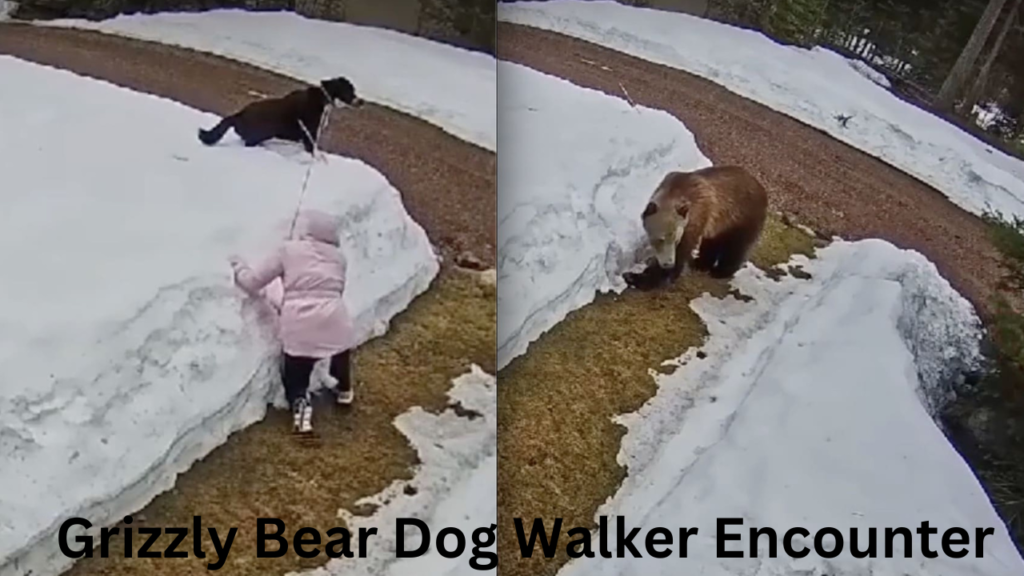
Grizzly Bear Dog Walker Encounter
The phrase “grizzly bear dog walker encounter” has been gaining attention online, sparking curiosity, concern, and plenty of questions. Stories involving wildlife interactions—especially with powerful animals like grizzly bears—naturally capture public interest. But beyond the headlines and viral posts, there’s a deeper story about nature, safety, and how humans and wildlife coexist.
In this detailed guide, we’ll break down the grizzly bear dog walker encounter from every angle. You’ll learn what typically happens in such encounters, why they occur, how to stay safe, and what this means for people who enjoy walking their dogs in wilderness areas. Whether you’re a hiker, pet owner, or just curious, this article will give you a complete, expert-level understanding in a clear and engaging way.
Understanding the Grizzly Bear Dog Walker Encounter
A grizzly bear dog walker encounter usually happens when a person walking their dog crosses paths with a grizzly bear in its natural habitat. These situations can escalate quickly because dogs often react unpredictably, which can trigger a defensive or aggressive response from the bear.
Grizzly bears are not naturally aggressive toward humans. In fact, most encounters occur because the bear feels threatened, surprised, or is protecting food or cubs. When a dog is involved, things become more complicated. Dogs may bark, chase, or provoke the bear, then run back to their owner—leading the bear directly to the human.
This chain reaction is one of the most common causes behind dangerous wildlife encounters. Understanding this dynamic is key to preventing similar incidents in the future.
Why These Encounters Are Becoming More Common
There has been a noticeable rise in reports related to the grizzly bear dog walker encounter. This isn’t necessarily because bears are becoming more aggressive—it’s largely due to increasing human activity in bear habitats.
Urban expansion, hiking trends, and outdoor recreation have pushed more people into areas traditionally occupied by wildlife. As more dog owners explore trails and forests, the likelihood of crossing paths with a grizzly bear increases.
Additionally, seasonal factors play a role. During certain times of the year, such as spring and fall, bears are more active in searching for food. This increases the chances of unexpected interactions.
The Role of Dogs in Bear Encounters
Dogs can unintentionally escalate a grizzly bear dog walker encounter. While they may seem like protectors, their behavior often makes situations worse rather than better.
Dogs tend to react instinctively when they see a wild animal. Barking, chasing, or running toward a bear can trigger the bear’s defensive instincts. Even well-trained dogs may act unpredictably in high-stress situations.
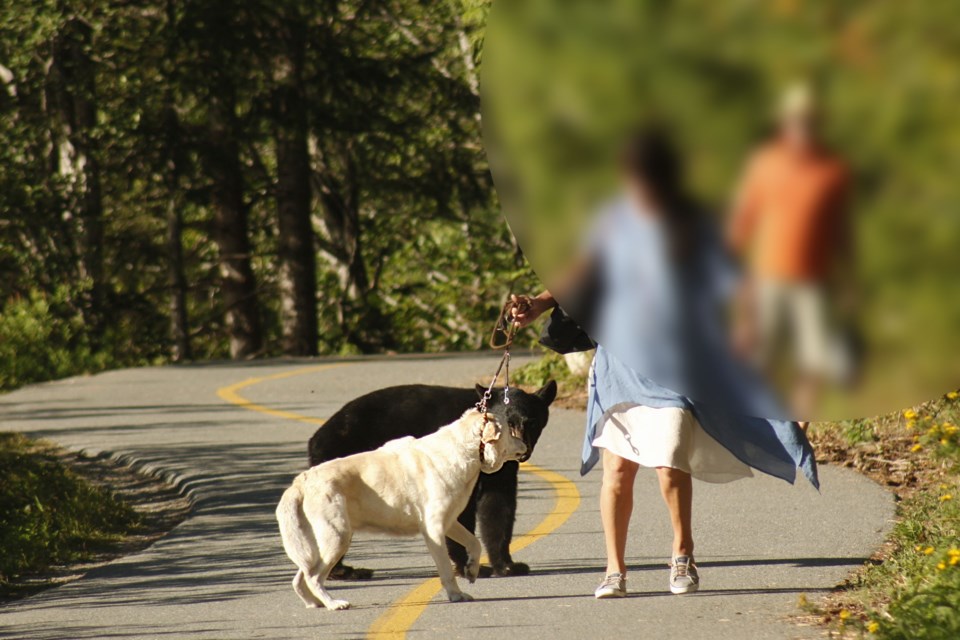
Another critical issue is that dogs often retreat to their owners when frightened. If a dog provokes a bear and then runs back, it can bring the bear directly to the human, increasing the risk of an attack.
What Happens During a Typical Encounter
A typical grizzly bear dog walker encounter unfolds quickly. It often starts with a sudden sighting—either the walker notices the bear or the bear notices them first.
If the dog reacts aggressively, the bear may perceive it as a threat. The bear might bluff charge, stand its ground, or in some cases, attack. The situation can escalate within seconds, leaving little time for the walker to respond.
In many cases, the outcome depends on the walker’s reaction. Staying calm, avoiding sudden movements, and keeping the dog under control can make a significant difference.
Safety Mistakes People Often Make
One of the biggest mistakes during a grizzly bear dog walker encounter is panic. People may run, scream, or try to fight the bear—actions that can worsen the situation.
Another common error is letting dogs roam off-leash. Off-leash dogs are more likely to provoke bears and less likely to respond to commands in a high-stress environment.
Carrying food or scented items without proper storage can also attract bears. Many walkers don’t realize that even small snacks can draw a bear’s attention from a distance.
How to Prevent a Grizzly Bear Dog Walker Encounter
Prevention is always better than reaction. There are several practical steps that can reduce the risk of a grizzly bear dog walker encounter.
Keeping your dog on a leash is one of the most effective measures. This ensures you have control over your pet’s behavior and prevents it from provoking wildlife.
Making noise while walking can also help. Bears usually avoid humans if they are aware of their presence. Talking, clapping, or using a bell can alert bears and give them time to move away.
Avoiding areas with known bear activity, especially during feeding seasons, is another smart strategy.
What to Do If You Encounter a Grizzly Bear
If you find yourself in a grizzly bear dog walker encounter, your response is critical. Stay calm and avoid sudden movements. Do not run, as this can trigger a chase response.
Keep your dog close and under control. Speak in a calm, firm voice to let the bear know you are human. Slowly back away without turning your back on the bear.
If the bear approaches, stand your ground and make yourself appear larger. In extreme cases, bear spray can be an effective tool for deterring an attack.
The Importance of Bear Spray
Bear spray is widely recommended for anyone venturing into bear territory. It has proven to be one of the most effective deterrents in a grizzly bear dog walker encounter.
This spray creates a cloud that irritates the bear’s eyes and respiratory system, discouraging it from continuing an approach. It is non-lethal and designed specifically for wildlife encounters.
However, it’s important to know how to use bear spray properly. Practicing beforehand and keeping it easily accessible can make all the difference in an emergency.
Real-Life Lessons from Encounters
Many real-life stories of a grizzly bear dog walker encounter highlight similar patterns. Most incidents involve off-leash dogs, surprise encounters, and a lack of preparation.
One key takeaway is that awareness and preparation significantly reduce risk. Walkers who understand bear behavior and follow safety guidelines are far more likely to avoid dangerous outcomes.
These stories also emphasize the importance of respecting wildlife. Bears are not villains—they are simply reacting to perceived threats in their environment.
The Psychology of Grizzly Bears
Understanding how grizzly bears think can help explain why a grizzly bear dog walker encounter unfolds the way it does.
Grizzlies are highly intelligent animals with strong survival instincts. They are protective of their territory, food sources, and cubs. When they feel threatened, their response is often defensive rather than predatory.
Recognizing these behaviors can help humans respond appropriately. For example, a bluff charge is meant to scare, not necessarily attack. Knowing this can prevent panic and reduce escalation.
Environmental Impact and Human Responsibility
The increase in grizzly bear dog walker encounter cases highlights a broader issue: human impact on wildlife habitats.
As people expand into natural areas, they disrupt ecosystems and increase the likelihood of conflict. Responsible outdoor behavior is essential for maintaining balance.
This includes following trail guidelines, respecting wildlife boundaries, and educating others about safety practices.
Common Myths About Bear Encounters
There are many misconceptions surrounding a grizzly bear dog walker encounter. One common myth is that bears are always aggressive. In reality, most bears prefer to avoid humans.
Another myth is that dogs will protect their owners. While this may be true in some cases, dogs often escalate situations instead.
Believing these myths can lead to poor decisions and increased risk during an encounter.
Practical Safety Checklist
Here’s a simple reference for avoiding a grizzly bear dog walker encounter:
Situation | Recommended Action
Dog walking in bear territory | Keep dog on leash
Limited visibility areas | Make noise regularly
Carrying food | Use bear-proof containers
Encountering a bear | Stay calm and back away
Emergency situation | Use bear spray
This table serves as a quick guide for anyone heading into bear-prone areas.
Expert Insight
“Most bear encounters are preventable with proper awareness and behavior. The presence of a dog changes the dynamic significantly, often increasing the risk.” — Wildlife Safety Specialist
This quote reflects the consensus among experts: preparation and understanding are the keys to safety.
The Role of Education in Prevention
Education plays a vital role in reducing grizzly bear dog walker encounter incidents. Many people simply aren’t aware of the risks or how to handle them.
Public awareness campaigns, park guidelines, and online resources can help spread knowledge. The more people understand about bear behavior, the safer both humans and animals will be.
Technology and Safety Innovations
Modern technology is also helping reduce the risk of a grizzly bear dog walker encounter. GPS tracking, wildlife alert apps, and improved safety gear are making outdoor activities safer.
These tools provide real-time information about bear sightings and help walkers make informed decisions about where to go.
Balancing Adventure and Safety
Exploring nature with your dog can be a rewarding experience, but it comes with responsibilities. A grizzly bear dog walker encounter is a reminder that the wilderness is not a controlled environment.
Balancing adventure with safety means being prepared, staying informed, and respecting wildlife at all times.
Conclusion
The grizzly bear dog walker encounter is more than just a headline—it’s a powerful reminder of how humans and wildlife interact. While these encounters can be dangerous, they are often preventable with the right knowledge and behavior.
By understanding the role of dogs, recognizing bear behavior, and following safety guidelines, you can significantly reduce the risk of an encounter. Respect for nature and preparation are the keys to enjoying the outdoors safely.
FAQs
What is a grizzly bear dog walker encounter?
A grizzly bear dog walker encounter refers to a situation where a person walking their dog comes into contact with a grizzly bear, often leading to a potentially dangerous interaction.
Why do dogs increase the risk in a grizzly bear dog walker encounter?
Dogs may bark, chase, or provoke the bear, triggering a defensive reaction. They can also run back to their owner, bringing the bear closer.
How can I avoid a grizzly bear dog walker encounter?
Keep your dog on a leash, make noise while walking, avoid high-risk areas, and carry bear spray for safety.
What should I do during a grizzly bear dog walker encounter?
Stay calm, avoid running, keep your dog under control, and slowly back away while facing the bear.
Is bear spray effective in a grizzly bear dog walker encounter?
Yes, bear spray is one of the most effective tools for deterring a bear and preventing an attack when used correctly.